El Niño Emerges in Pacific, Raising Global Weather and Crop Risks
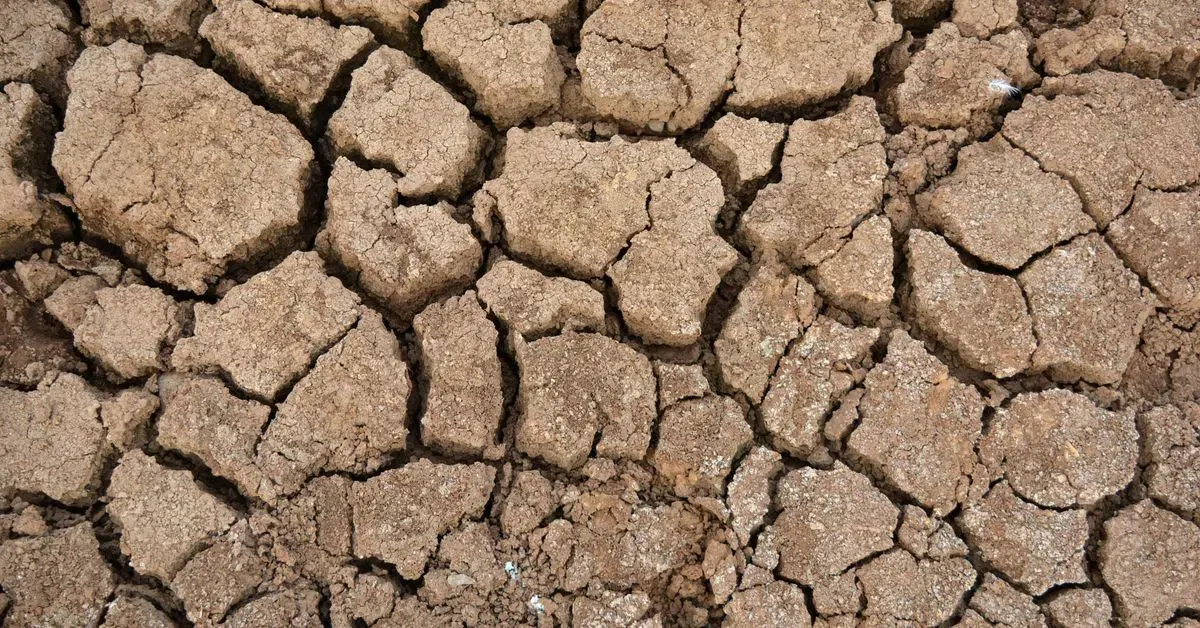
El Niño has developed across the equatorial Pacific, marking the first event since 2023 and potentially one of the strongest on record, according to the Japan Meteorological Agency. This climate phenomenon, characterized by Pacific Ocean warming, disrupts global weather patterns, threatening agriculture, energy, and communities worldwide. Expected to peak by December or January, impacts may include droughts, floods, altered monsoons, wildfires, and changes to the Atlantic hurricane season. Historical events and studies highlight significant human and economic costs linked to strong El Niños.
First-hand measurement across 2 sources
We measured how 2 outlets covered this story. Coverage leans balanced overall (Left 0%, Centre 100%, Right 0%). Overall sentiment is neutral (35/100). Lens Score 28/100 — low public interest.
Outlets analysed (first-hand measurement by TBN's Bias Engine):
- hindustantimes— balanced framing, neutral sentiment
- businessstandard— balanced framing, negative sentiment
AI Analysis
The articles present a scientific and environmental perspective without evident political framing. They rely on authoritative sources like the Japan Meteorological Agency and academic studies, focusing on the phenomenon's global impacts. There is no partisan viewpoint; coverage centers on factual reporting of climate effects and economic consequences.
The tone across the articles is cautionary and informative, emphasizing potential risks and historical damages associated with El Niño. While the coverage highlights serious threats to agriculture, weather, and economies, it maintains a neutral, fact-based approach without sensationalism or alarmism.
How 2 sources covered this story
Each source's own headline, political lean, and sentiment — so you can see framing differences at a glance.