Extreme Heat in Europe May Reduce Alcohol Consumption, Industry Adapts
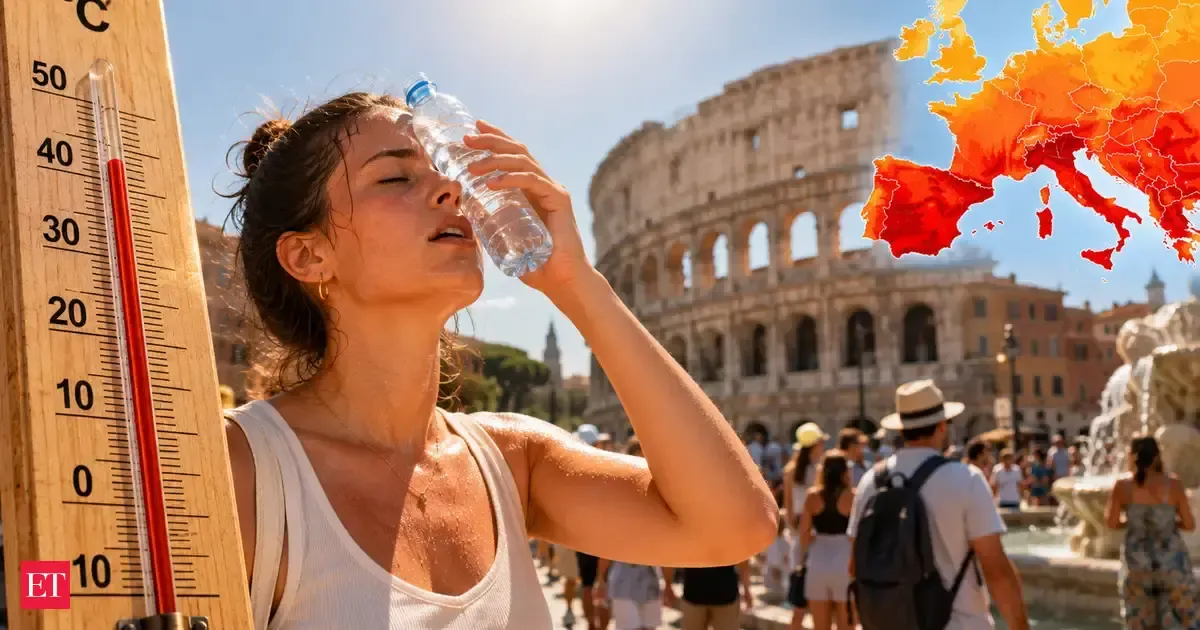
Research indicates that while moderate warm weather generally increases alcohol sales, extreme heat above 32°C can reduce consumption as drinkers avoid alcohol due to dehydration risks. Europe's recent intense heatwave, causing health and infrastructure challenges, led some authorities to advise against alcohol and even ban sales temporarily in places like Paris. Beverage companies like Carlsberg are adapting by promoting low- and no-alcohol options, reflecting mixed consumer responses to rising temperatures.
First-hand measurement across 2 sources
We measured how 2 outlets covered this story. Coverage leans balanced overall (Left 0%, Centre 100%, Right 0%). Overall sentiment is neutral (48/100). Lens Score 36/100 — moderate-to-low public interest.
Outlets analysed (first-hand measurement by TBN's Bias Engine):
- thetelegraph— balanced framing, neutral sentiment
- economictimes— balanced framing, neutral sentiment
AI Analysis
The articles present a largely neutral perspective focused on scientific research and industry responses without political framing. They include viewpoints from researchers, health authorities, and beverage companies, reflecting public health concerns and market adaptations. There is no evident partisan bias, with coverage emphasizing factual findings and stakeholder statements.
The tone across the articles is measured and informative, combining concern over health risks and heatwave impacts with industry efforts to adjust product offerings. Sentiment is mixed, acknowledging challenges posed by extreme heat while highlighting proactive responses from companies and authorities, avoiding sensationalism or alarmism.
How 2 sources covered this story
Each source's own headline, political lean, and sentiment — so you can see framing differences at a glance.