Ukrainian Drone Attacks Disrupt Russian Oil Refining, Fuel Prices Rise Domestically
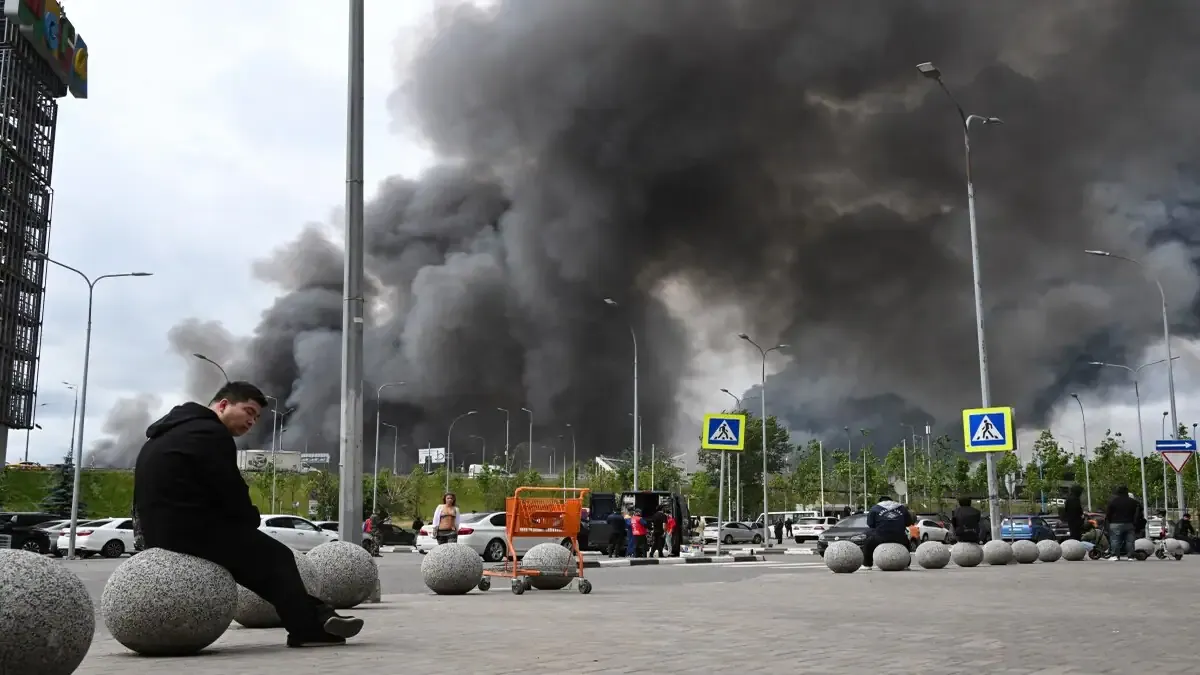
Russia is experiencing fuel shortages and rising gasoline prices despite being a major oil exporter. Ukrainian drone attacks have damaged key oil refineries, including Moscow's largest, which is expected to remain offline for at least six months. These disruptions have led to regional fuel rationing, long queues, and increased costs. In response, Russian authorities are considering measures such as diesel export bans and fuel imports to address the shortages, particularly in areas like Crimea.
First-hand measurement across 2 sources
We measured how 2 outlets covered this story. Coverage leans balanced overall (Left 5%, Centre 93%, Right 2%). Overall sentiment is negative (32/100). Lens Score 35/100 — moderate-to-low public interest.
Outlets analysed (first-hand measurement by TBN's Bias Engine):
- firstpost— balanced framing, neutral sentiment
- firstpost— balanced framing, negative sentiment
AI Analysis
The articles primarily present factual reporting on the impact of Ukrainian drone strikes on Russian oil infrastructure and the resulting domestic fuel shortages. They include perspectives from Russian officials and industry sources without editorializing. The coverage reflects the conflict's effects on Russia's energy sector, focusing on operational and economic challenges without attributing blame beyond reporting the attacks and responses.
The tone across the articles is largely neutral and informative, emphasizing the logistical and economic difficulties Russia faces due to infrastructure damage. While the situation is described as challenging, the language avoids emotive or sensational terms, maintaining a balanced presentation of the unfolding fuel crisis and governmental considerations.
How 2 sources covered this story
Each source's own headline, political lean, and sentiment — so you can see framing differences at a glance.