Extreme Heat Challenges Odisha's Garment Industry and Public Health, IIT Study Warns
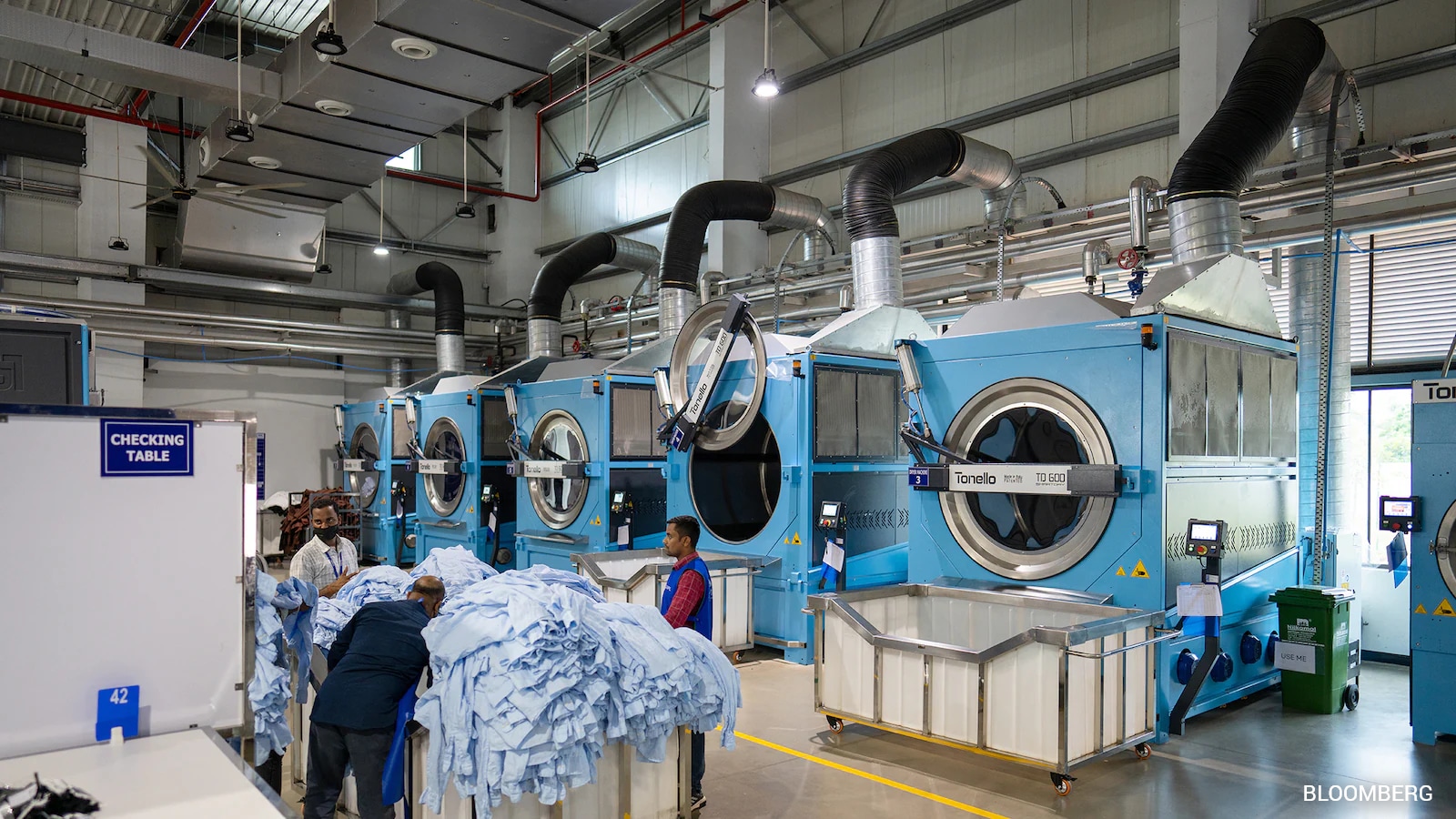
Rising temperatures and thermal hotspots in Odisha, India, are impacting garment factories and public health. Facilities like Epic Group's in Khordha face productivity losses up to 10% during peak summer due to extreme heat and humidity, affecting predominantly female workers. Innovative cooling technologies are being introduced to improve conditions. An IIT Bhubaneswar study highlights increasing land surface temperatures linked to urbanisation and industrial growth, warning of higher energy demand, reduced labour productivity, and health risks without targeted climate adaptation measures.
First-hand measurement across 3 sources
We measured how 3 outlets covered this story. Coverage leans balanced overall (Left 10%, Centre 85%, Right 5%). Overall sentiment is neutral (57/100). Lens Score 31/100 — low public interest.
Outlets analysed (first-hand measurement by TBN's Bias Engine):
- businessstandard— balanced framing, neutral sentiment
- ndtv— balanced framing, neutral sentiment
- economictimes— balanced framing, neutral sentiment
AI Analysis
The articles present a largely neutral perspective focused on environmental and industrial challenges without partisan framing. They include viewpoints from industry representatives, academic researchers, and human rights studies, emphasizing the impacts of climate and urbanisation on productivity and health. The coverage balances economic concerns with public health and worker welfare, reflecting a broad, fact-based approach without political bias.
The overall tone is cautionary and informative, highlighting the negative effects of extreme heat on worker health, productivity, and public systems. While acknowledging efforts like advanced cooling technologies, the sentiment remains concerned about ongoing risks and the need for adaptation. The coverage is neither overly pessimistic nor optimistic, maintaining a measured and factual tone throughout.