Skip to content
Get the Balanced News app for a better experience!
The Balanced News Logo
Analytics
The Balanced News Logo

Stay Balanced, Stay Informed

Menu
  • Browse News
  • Underreported Stories
  • Curated Feeds
  • Insights
  • Analytics
  • Our Writers
  • About Us
  • Download App
Learn
  • How It Works
  • Bias Detection
  • Lens Score
  • Source Bias Checker
  • Accountability
  • Custom Feeds
Newsroom
  • Writers & Analysts
  • About TBN
  • Editorial Standards
  • Corrections Policy
  • Our Partners
  • Insights
Socials
  • Youtube
  • Instagram
  • X
  • Facebook
News Categories
  • Trending
  • Politics
  • Sports
  • Business
  • Tech
  • Entertainment
  • Health
  • Science
  • Crime
  • Lifestyle
  • National
  • International
  • Good News
  • Crypto

Get Our App

Available for iOS and Android


LensFeedsInsightsAnalyticsTrendingGood NewsSportsPoliticsBusinessCrimeTechEntertainmentHealthNationalInternational

© 2026 The Balanced News. All rights reserved.

About UsEditorial StandardsCorrectionsHelp & SupportPrivacy PolicyTerms & Conditions
Debate Over Extending Germany's 35-Hour Work Week Amid Auto Industry Challenges
Categories

Categories

Related Coverage

Select a news story to see related coverage from other media outlets.

Related Coverage

Select a news story to see related coverage from other media outlets.

  1. Home
  2. /
  3. Business

Debate Over Extending Germany's 35-Hour Work Week Amid Auto Industry Challenges

Analysed 3 Sept 2026·4 sources analysed·Germany·Business
Debate Over Extending Germany's 35-Hour Work Week Amid Auto Industry ChallengesPreviousNext

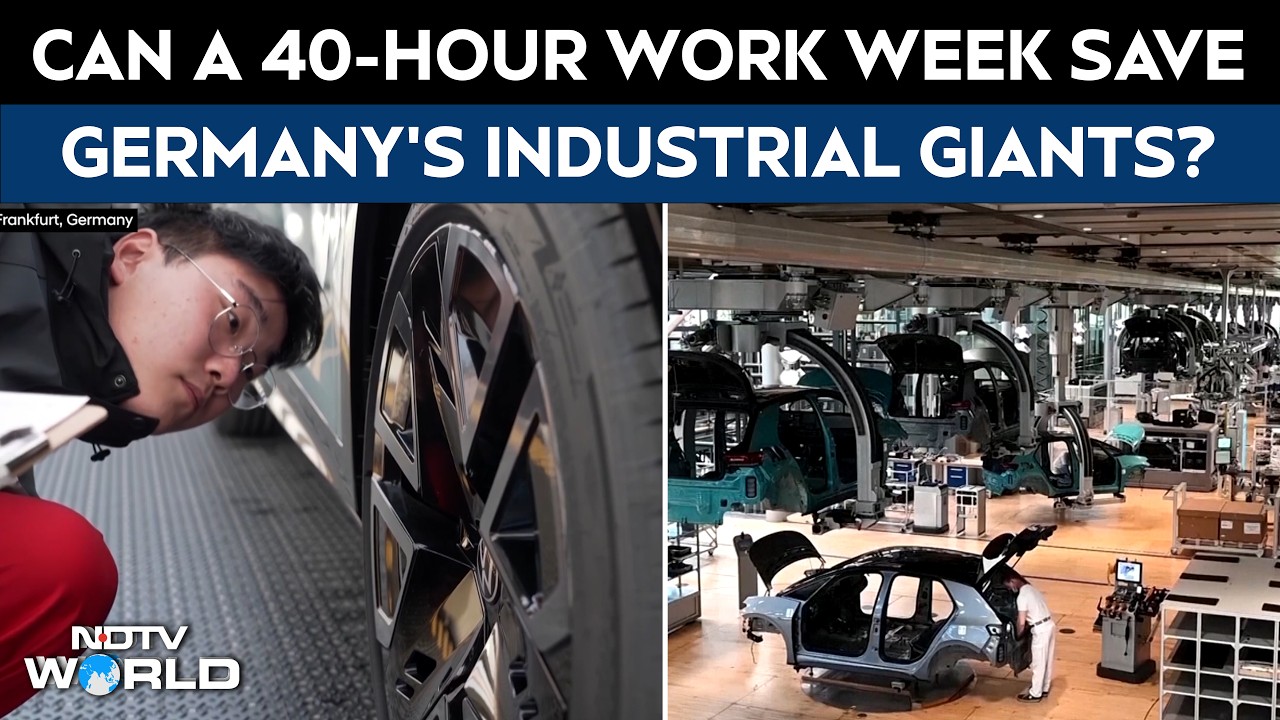
German automakers, particularly Volkswagen, face challenges from high labor costs and foreign competition amid calls to extend the standard 35-hour work week to 40 hours. Proponents argue longer hours could reduce costs and improve competitiveness, while experts and unions highlight structural issues, weak demand, and overcapacity that longer hours alone may not resolve. The debate reflects broader concerns about Germany's industrial model amid global economic shifts and rising competition from lower-cost countries.

Sentiment
49%
TBN's observations

First-hand measurement across 3 sources

We measured how 3 outlets covered this story. No outlet gave this story a measurable political slant — there is no left–right reading to report. Overall sentiment is neutral (49/100). Lens Score 46/100.

Outlets measured: mint, economictimes, businessstandard. See how each one headlined and framed the same story in the source comparison below.

AI analysis of 3 sources · Published under editorial oversight by The Balanced News
Analysed 3 Sept 2026· How this analysis is produced· Editorial standards· Corrections

AI Analysis

Sentiment — Neutral (49/100)

Sentiment was consistent across outlets (48–50/100), indicating broadly factual reporting rather than editorialising.

Coverage timeline

businessstandard broke this story on 2 Sept, 09:46 am. Other outlets followed.

2 Sept, 09:46 am3 sources · 22 h3 Sept, 07:39 am
AI analysis by the TBN Bias Engine · beat methodology byMrunal Wange· Business & Economy Editor· editorial standards byOjas Kale
← Previous
FLY91 Orders 40 ATR 72-600 Aircraft to Expand Regional Fleet in India
Next →
South African Business Delegation Visits India to Enhance Economic Ties and Address Trade Deficit
  1. 1
    businessstandard2 Sept, 09:46 am
    Germany's industrial giants push for 40-hour week as labour costs rise
  2. 2
    economictimes3 Sept, 05:28 am
    Why a longer working week may not fix Volkswagen's woes
  3. 3
    mint3 Sept, 07:39 am
    Can five extra hours a week help Volkswagen cut costs and save jobs? Explained Company Business News

Who's involved

Institutions and figures named across source coverage.

Government
State Government of SaxonyFederal Government of GermanyFederal Republic of Germany
Corporate
StihlMercedes-BenzMercedes-Benz Group AGVolkswagen AG
Political
Christian Democratic UnionIG Metall

Story context

Category
Business
Location
Germany
Sources analysed
4
Last analysed
3 Sept 2026
Key entities
VolkswagenGermanyChinaIG MetallWageAutomotive industrySaxonyEconomistEuroSpainMetalworkingMarket share