Skip to content
Get the Balanced News app for a better experience!
The Balanced News Logo
Analytics
The Balanced News Logo

Stay Balanced, Stay Informed

Menu
  • Browse News
  • Underreported Stories
  • Curated Feeds
  • Insights
  • Analytics
  • Our Writers
  • About Us
  • Download App
Learn
  • How It Works
  • Bias Detection
  • Lens Score
  • Source Bias Checker
  • Accountability
  • Custom Feeds
Newsroom
  • Writers & Analysts
  • About TBN
  • Editorial Standards
  • Corrections Policy
  • Our Partners
  • Insights
Socials
  • Youtube
  • Instagram
  • X
  • Facebook
News Categories
  • Trending
  • Politics
  • Sports
  • Business
  • Tech
  • Entertainment
  • Health
  • Science
  • Crime
  • Lifestyle
  • National
  • International
  • Good News
  • Crypto

Get Our App

Available for iOS and Android


LensFeedsInsightsAnalyticsTrendingGood NewsSportsPoliticsBusinessCrimeTechEntertainmentHealthNationalInternational

© 2026 The Balanced News. All rights reserved.

About UsEditorial StandardsCorrectionsHelp & SupportPrivacy PolicyTerms & Conditions
Key Differences Between Electric Vehicle and Conventional Car Insurance Explained
Categories

Categories

Related Coverage

Select a news story to see related coverage from other media outlets.

Related Coverage

Select a news story to see related coverage from other media outlets.

  1. Home
  2. /
  3. Business

Key Differences Between Electric Vehicle and Conventional Car Insurance Explained

Analysed 2 Oct 2026·2 sources analysed·Business
Key Differences Between Electric Vehicle and Conventional Car Insurance ExplainedPreviousNext

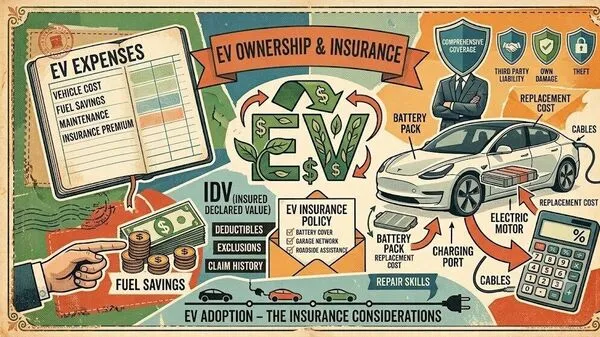
Electric vehicle (EV) insurance shares a similar structure with conventional car insurance but differs due to EVs' specialized components like high-voltage battery packs and electric motors, which can increase repair costs. Premiums depend on factors such as vehicle model, value, location, coverage type, and the owner's claim history. While EV repairs may be costlier, this does not automatically lead to higher insurance premiums. Mandatory third-party insurance applies to both EVs and conventional vehicles, with options for additional coverage available.

Sentiment
50%
TBN's observations

First-hand measurement across 2 sources

We measured how 2 outlets covered this story. No outlet gave this story a measurable political slant — there is no left–right reading to report. Overall sentiment is neutral (50/100). Lens Score 26/100.

Outlets measured: mint, moneycontrol. See how each one headlined and framed the same story in the source comparison below.

AI analysis of 2 sources · Published under editorial oversight by The Balanced News
Analysed 2 Oct 2026· How this analysis is produced· Editorial standards· Corrections

AI Analysis

Sentiment — Neutral (50/100)

Sentiment was consistent across outlets (50–50/100), indicating broadly factual reporting rather than editorialising.

Coverage timeline

moneycontrol broke this story on 2 Oct, 05:36 am. Other outlets followed.

2 Oct, 05:36 am2 sources · 13 h2 Oct, 06:46 pm
  1. 1
AI analysis by the TBN Bias Engine · beat methodology byMrunal Wange· Business & Economy Editor· editorial standards byOjas Kale
← Previous
India Introduces Ear Tags and Insurance Pricing for Rural Livestock
Next →
Tesla Q3 Vehicle Sales Beat Estimates Despite 2% Year-Over-Year Decline
moneycontrol2 Oct, 05:36 am
Electric vs conventional vehicle insurance: What are the differences?- Moneycontrol.com
  • 2
    mint2 Oct, 06:46 pm
    Switching to an electric vehicle: What you need to know about ev insurance Mint
  • Story context

    Category
    Business
    Sources analysed
    2
    Last analysed
    2 Oct 2026
    Key entities
    Battery packHigh voltageElectric motorVehicle insuranceElectric vehicleInsuranceDiesel engineElectronicsElectric batteryGasolineItaly of ValuesLegal liability