Gulf Nations and India Seek Alternatives to Strait of Hormuz for Energy Security
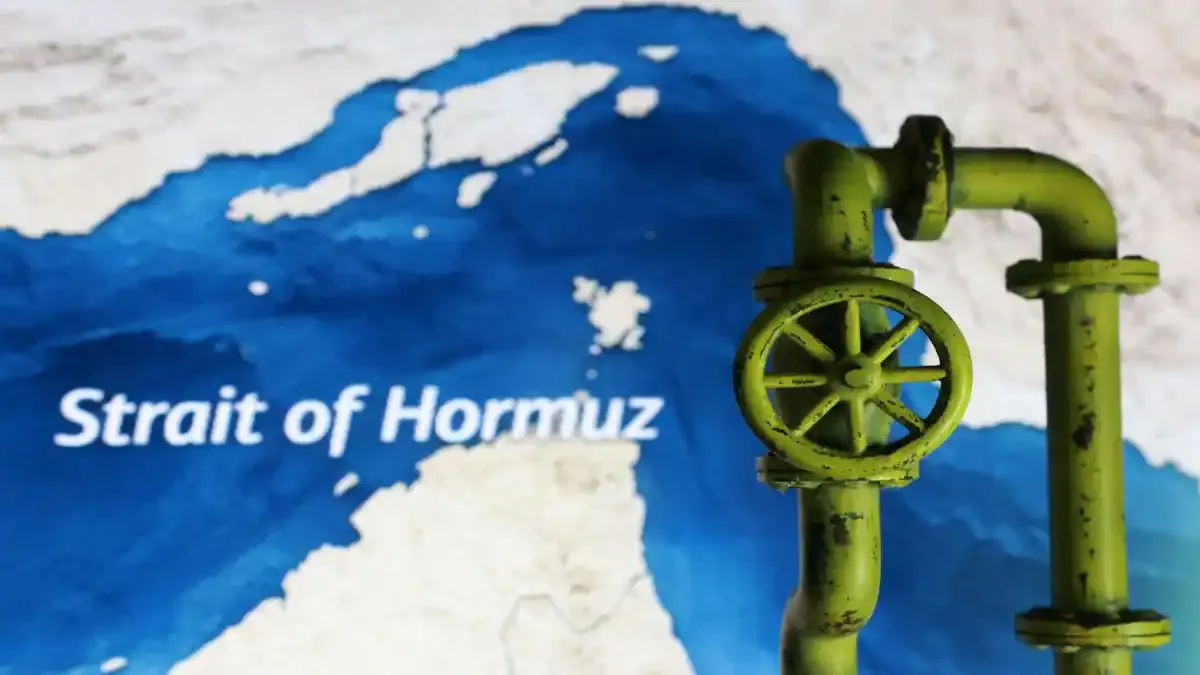
The Strait of Hormuz, a critical chokepoint for nearly 20% of global oil and gas shipments, remains vulnerable to disruptions that could impact global markets and inflation. Gulf nations like the UAE and Saudi Arabia are investing in alternative pipelines and ports, such as the UAE's Fujairah port, to bypass the strait. India, heavily reliant on Hormuz for fuel imports, faces challenges due to regional conflicts and is exploring diversified supply routes to enhance energy security amid geopolitical uncertainties.
First-hand measurement across 2 sources
We measured how 2 outlets covered this story. Coverage leans balanced overall (Left 5%, Centre 93%, Right 2%). Overall sentiment is neutral (60/100). Lens Score 22/100 — low public interest.
Outlets analysed (first-hand measurement by TBN's Bias Engine):
- mint— balanced framing, neutral sentiment
- firstpost— balanced framing, neutral sentiment
AI Analysis
The articles present a range of perspectives focusing on geopolitical and economic implications without partisan framing. They highlight Gulf countries' strategic infrastructure investments and India's concerns over energy security amid regional conflicts. The coverage balances regional actors' initiatives and historical context, avoiding alignment with any political ideology or party.
The tone across the articles is measured and analytical, emphasizing strategic challenges and responses related to energy supply routes. While acknowledging risks and uncertainties due to geopolitical tensions, the coverage remains neutral, focusing on factual developments and historical parallels without emotive or sensational language.
How 2 sources covered this story
Each source's own headline, political lean, and sentiment — so you can see framing differences at a glance.