Federal Reserve Keeps Rates Steady Amid Inflation Concerns and Middle East Conflict
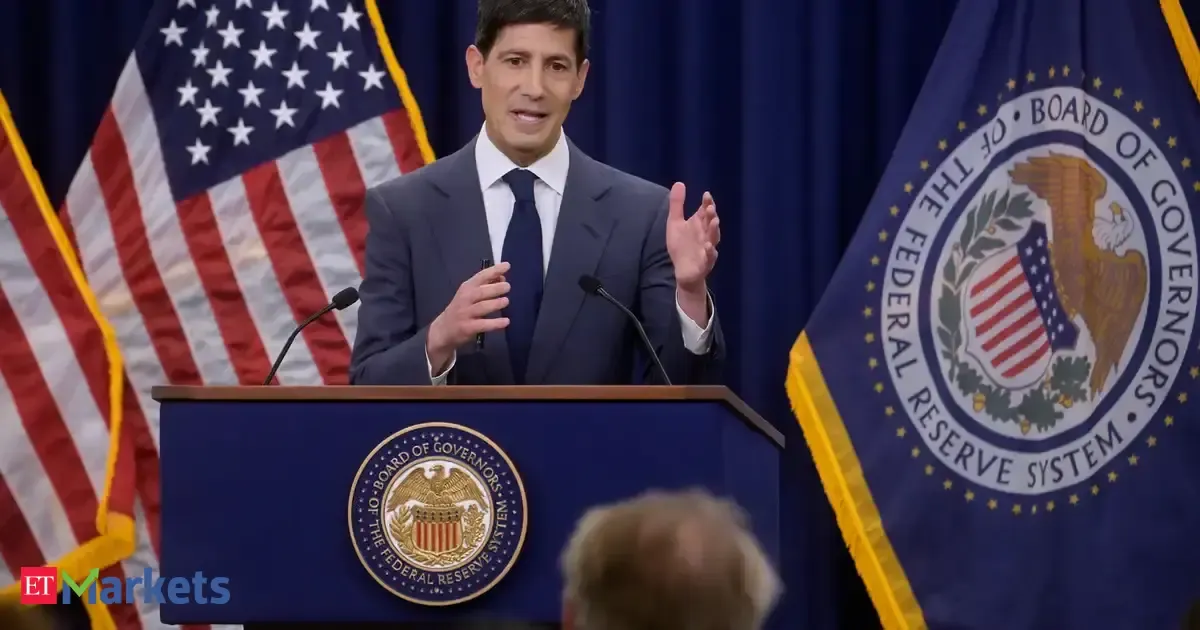
At the Federal Reserve's June 16-17 meeting, officials unanimously decided to keep interest rates unchanged despite concerns over rising inflation linked to the Middle East conflict and higher oil prices. Some participants favored an immediate rate hike to address inflation risks, while others expected inflation to moderate on its own. The meeting, led by new Chair Kevin Warsh, featured a streamlined policy statement without forward guidance, reflecting uncertainty amid mixed economic signals including recent job market weakness.
First-hand measurement across 3 sources
We measured how 3 outlets covered this story. Coverage leans balanced overall (Left 0%, Centre 100%, Right 0%). Overall sentiment is neutral (50/100). Lens Score 28/100 — low public interest.
Outlets analysed (first-hand measurement by TBN's Bias Engine):
- economictimes— balanced framing, neutral sentiment
- economictimes— balanced framing, neutral sentiment
- thefinancialexpress— balanced framing, neutral sentiment
AI Analysis
The articles present a range of perspectives from Federal Reserve officials and market observers without partisan framing. They highlight internal debates within the Fed, including hawkish views favoring rate hikes and cautious stances emphasizing economic uncertainties. Coverage focuses on policy decisions and economic indicators, reflecting a balanced approach that includes both concerns about inflation and labor market softness.
The overall tone is measured and neutral, conveying uncertainty and cautiousness among policymakers. While inflation and geopolitical tensions are noted as risks, the unanimous decision to hold rates steady suggests a pragmatic approach. The sentiment reflects a mix of concern over inflationary pressures and recognition of economic challenges, without overtly positive or negative language.