Rosneft CEO Says US Firms Benefit from Strait of Hormuz Closure Amid Market Shifts
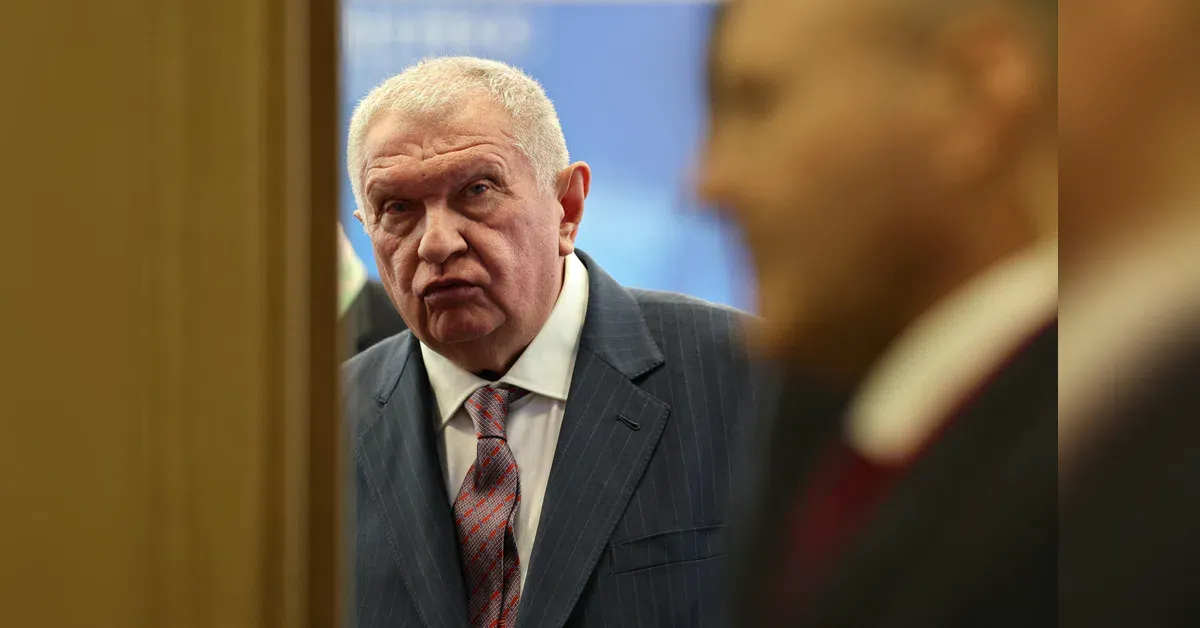
Rosneft CEO Igor Sechin stated at the St. Petersburg International Economic Forum that US energy companies are the primary beneficiaries of the Strait of Hormuz closure, which Iran blockaded following attacks on its leadership. He claimed the US aims to reshape global energy markets to its advantage, while warning that other key shipping routes might face similar disruptions. Sechin also noted that OPEC's influence has diminished due to member withdrawals, including the UAE.
First-hand measurement across 2 sources
We measured how 2 outlets covered this story. Coverage leans balanced overall (Left 10%, Centre 80%, Right 10%). Overall sentiment is neutral (35/100). Lens Score 30/100 — low public interest.
Outlets analysed (first-hand measurement by TBN's Bias Engine):
- economictimes— balanced framing, neutral sentiment
- businessstandard— balanced framing, neutral sentiment
AI Analysis
The articles primarily present the perspective of Rosneft's CEO, a close ally of Russia's leadership, framing the US as manipulating energy markets for its benefit. This viewpoint reflects a critical stance toward US actions, while also noting Iran's role in the blockade. The coverage includes geopolitical tensions involving multiple actors but centers on the Russian executive's analysis without contrasting views from US or Western sources.
The tone across the articles is critical and cautionary, emphasizing the negative global economic impacts of the Strait of Hormuz closure and the strategic risks involved. The sentiment highlights concerns about market disruptions and geopolitical tensions, with a focus on the perceived advantages gained by US companies. There is limited positive or neutral sentiment, reflecting the contentious nature of the topic.