Delhi's Revised EV Policy Sparks Debate Over Transition Challenges and Alternatives
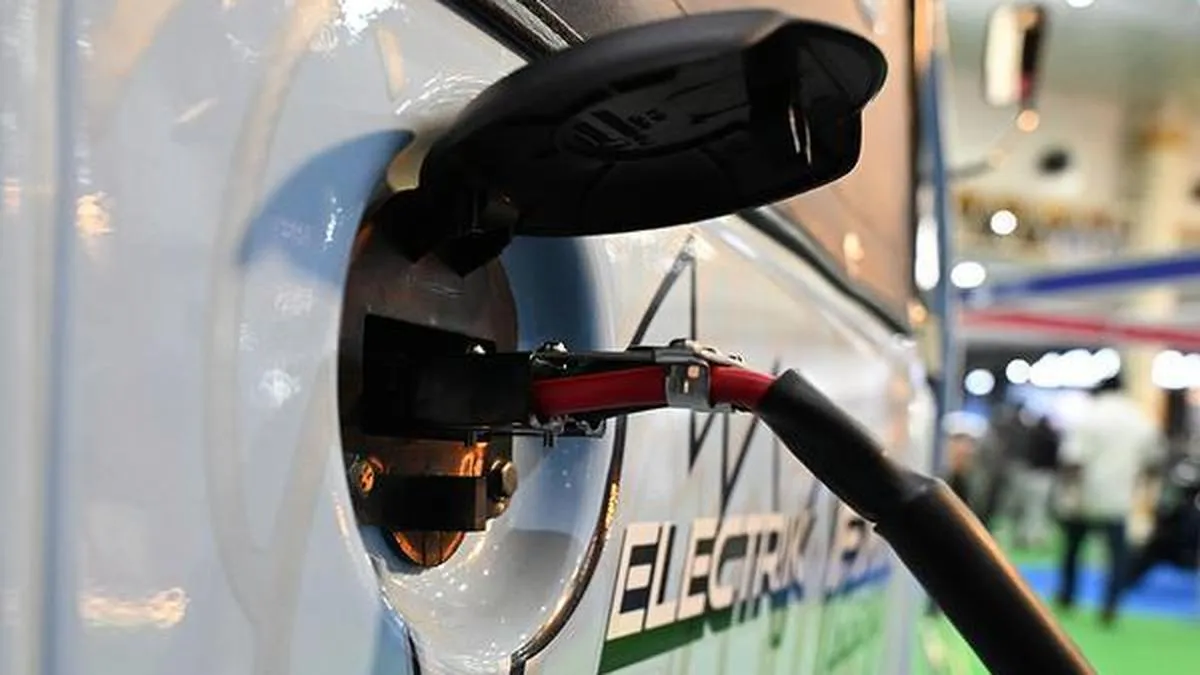
Delhi's revised electric vehicle policy aims to phase out new internal combustion engine (ICE) three-wheelers by 2027 and two-wheelers by 2028 to reduce pollution, targeting significant electrification across transport segments. While the government emphasizes cleaner air benefits, auto drivers express concerns over inadequate charging infrastructure and potential income loss due to limited EV range and charging times. Meanwhile, Sri Lanka's adoption of plug-in hybrids highlights alternative transitional approaches, prompting discussion on India's EV strategy and infrastructure readiness.
First-hand measurement across 2 sources
We measured how 2 outlets covered this story. Coverage leans balanced overall (Left 17%, Centre 78%, Right 5%). Overall sentiment is neutral (53/100). Lens Score 31/100 — low public interest.
Outlets analysed (first-hand measurement by TBN's Bias Engine):
- thehindu— balanced framing, neutral sentiment
- thefinancialexpress— balanced framing, positive sentiment
AI Analysis
The article group presents multiple perspectives including government policy goals focused on environmental benefits and opposition from auto drivers concerned about economic impacts. It also includes international context from Sri Lanka's hybrid vehicle adoption, reflecting a range of viewpoints without favoring any political stance. Sources frame the story around policy implementation challenges and stakeholder responses, maintaining balanced coverage.
The overall tone is mixed, combining positive aspects of Delhi's ambitious EV policy aimed at pollution reduction with concerns from auto drivers about practical challenges and livelihood risks. The inclusion of Sri Lanka's experience with plug-in hybrids adds a neutral, informative dimension. Coverage neither overly praises nor criticizes the policy, instead highlighting complexities involved in the transition.