India Expands Diagnostic Imaging Amid Supply Chain Challenges and Healthcare Needs
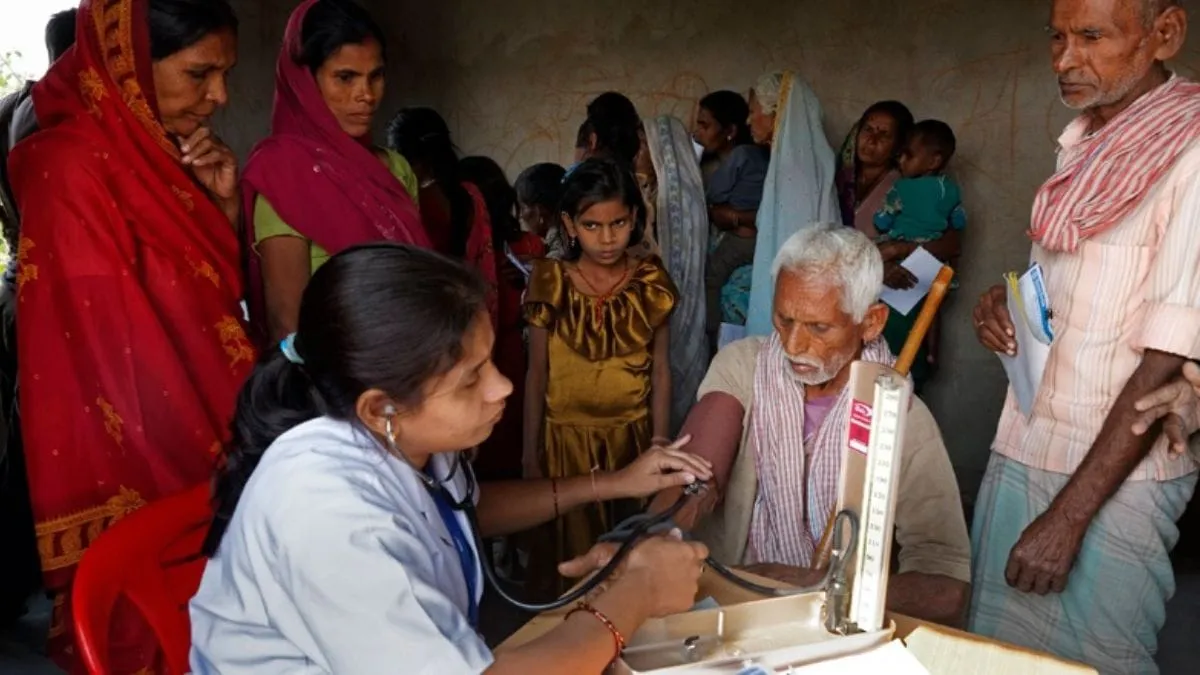
India's healthcare system is undergoing significant expansion in diagnostic imaging, particularly in Tier 2 and Tier 3 cities, to address infrastructure gaps and rising chronic diseases. Advances like AI-powered imaging and portable MRI devices improve early detection and access. However, global supply chain disruptions, including helium shortages critical for MRI operation, expose vulnerabilities that may delay diagnoses and affect patient outcomes. Efforts focus on building a more reliable, sustainable, and equitable diagnostic infrastructure to enhance healthcare delivery across the country.
First-hand measurement across 2 sources
We measured how 2 outlets covered this story. Coverage leans balanced overall (Left 0%, Centre 100%, Right 0%). Overall sentiment is positive (72/100). Lens Score 20/100 — low public interest.
Outlets analysed (first-hand measurement by TBN's Bias Engine):
- thefinancialexpress— balanced framing, positive sentiment
- hindustantimes— balanced framing, positive sentiment
AI Analysis
The articles present a largely neutral perspective focusing on healthcare infrastructure and technology without partisan framing. They highlight government and industry efforts to improve diagnostic capacity in underserved areas while acknowledging systemic vulnerabilities due to global supply dependencies. Both sources emphasize the need for resilience and sustainability, reflecting a consensus on healthcare modernization rather than political debate.
The overall tone is cautiously optimistic, recognizing technological advancements and expansion efforts as positive developments. However, the coverage also underscores challenges posed by global supply disruptions and their potential impact on patient care, introducing a note of concern. This balanced sentiment reflects both progress and the need for continued improvement in healthcare preparedness.