Strait of Hormuz Crisis Affects Southeast Asia's Shipping and Energy Sectors
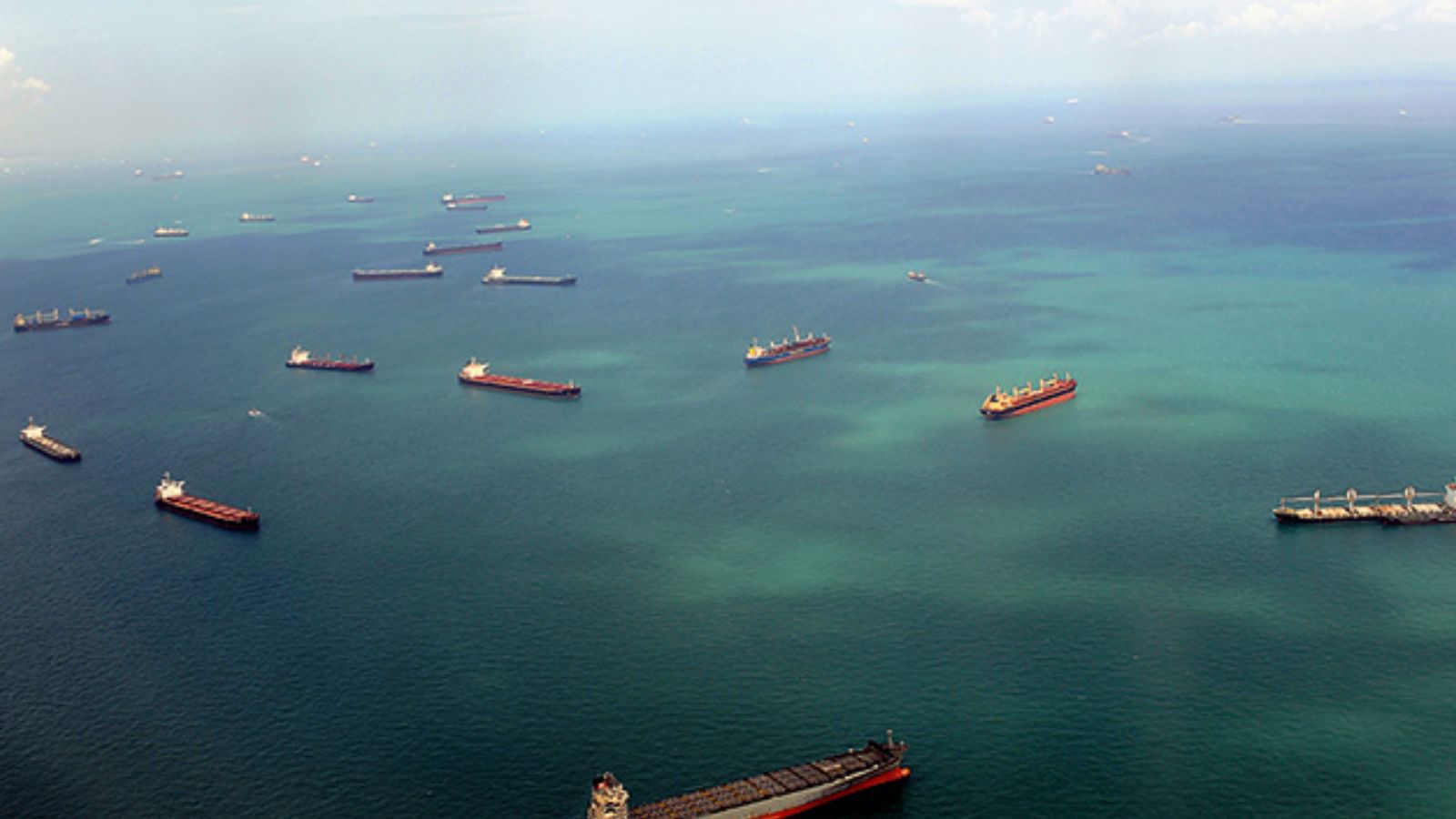
The ongoing conflicts in the Strait of Hormuz and the Red Sea are impacting Southeast Asia's maritime and energy sectors. Increased vessel traffic is diverting ships to the Strait of Malacca, raising port congestion concerns, though Malaysian officials report effective management. Meanwhile, Southeast Asian countries, heavily reliant on Middle Eastern oil and LNG imports, face rising fuel prices, economic strain, and downgraded growth forecasts, with the Philippines declaring an energy emergency and Vietnam among the most vulnerable.
First-hand measurement across 2 sources
We measured how 2 outlets covered this story. Coverage leans balanced overall (Left 0%, Centre 100%, Right 0%). Overall sentiment is neutral (45/100). Lens Score 33/100 — low public interest.
Outlets analysed (first-hand measurement by TBN's Bias Engine):
- arunachaltimesin— balanced framing, neutral sentiment
- thefinancialexpress— balanced framing, neutral sentiment
AI Analysis
The articles present perspectives focusing on economic and logistical impacts without partisan framing. They include official statements from Malaysian shipping authorities and expert analysis on Southeast Asia's energy vulnerabilities. The coverage reflects concerns from regional governments and international experts, emphasizing practical challenges rather than political blame or advocacy.
The overall tone is cautious and concerned, highlighting disruptions and economic difficulties caused by the crises. While acknowledging effective management of shipping congestion, the articles emphasize negative consequences such as rising fuel prices and downgraded economic forecasts, resulting in a predominantly serious and sober sentiment.
How 2 sources covered this story
Each source's own headline, political lean, and sentiment — so you can see framing differences at a glance.