NASA's Curiosity Rover Images Honeycomb-Like Geological Structures on Mars
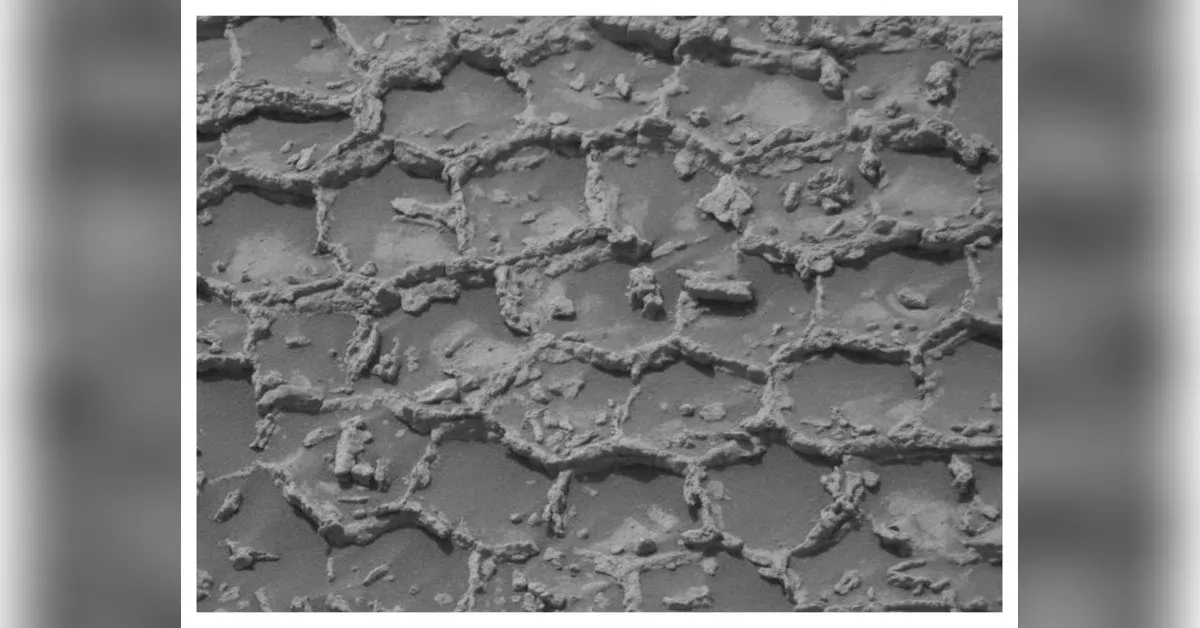
NASA's Curiosity rover has captured images of unusual honeycomb-like polygonal ridges on a light-toned rock formation in Gale Crater on Mars. The structures, first seen from orbit, appear increasingly eroded closer up and are surrounded by dark rocks of uncertain origin, possibly native Martian fragments, impact ejecta, or meteorites. Scientists are investigating how geological processes like volcanic activity, water flow, sediment shifts, wind erosion, or climate changes over billions of years may have formed these patterns, similar to some Earth formations.
First-hand measurement across 2 sources
We measured how 2 outlets covered this story. Coverage leans balanced overall (Left 0%, Centre 100%, Right 0%). Overall sentiment is positive (72/100). Lens Score 30/100 — low public interest.
Outlets analysed (first-hand measurement by TBN's Bias Engine):
- businessstandard— balanced framing, positive sentiment
- economictimes— balanced framing, positive sentiment
AI Analysis
The articles present a scientific discovery without political framing, focusing on NASA's findings and ongoing research. Both sources emphasize exploration and geological analysis, reflecting a neutral, science-centered perspective. There is no evident political bias, as the coverage centers on factual reporting of the rover's observations and hypotheses about Mars' geological history.
The tone across the articles is neutral to mildly positive, highlighting curiosity and scientific intrigue about the new Martian formations. The language conveys wonder and ongoing investigation without sensationalism or alarm, maintaining an objective and informative mood appropriate for scientific reporting.
How 2 sources covered this story
Each source's own headline, political lean, and sentiment — so you can see framing differences at a glance.