IEA Highlights Importance of Strait of Hormuz Reopening for Oil and Grain Supply Recovery
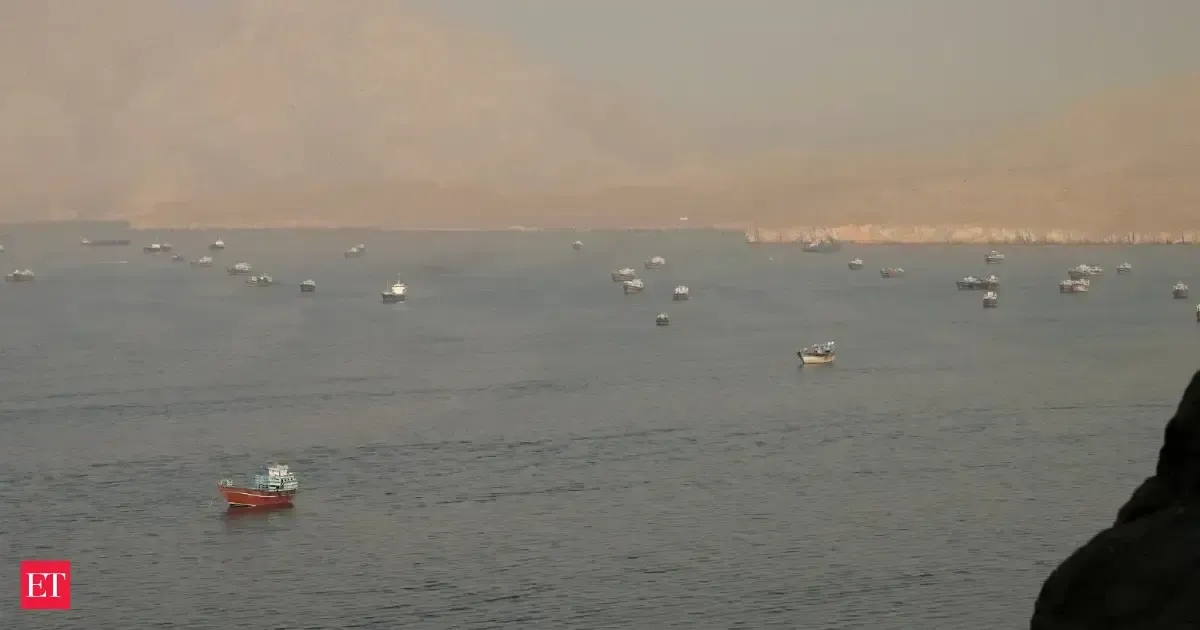
The International Energy Agency (IEA) highlights the importance of fully reopening the Strait of Hormuz following a US-Iran agreement that ended a three-month conflict. This reopening is expected to gradually restore millions of barrels of Middle East oil supply, easing global energy tensions and potentially leading to a significant oil surplus by 2027. Additionally, the reopening is anticipated to revive regional grain imports, which have been disrupted due to the strait's closure, impacting food supply chains in the Gulf.
First-hand measurement across 3 sources
We measured how 3 outlets covered this story. Coverage leans balanced overall (Left 0%, Centre 100%, Right 0%). Overall sentiment is neutral (58/100). Lens Score 29/100 — low public interest.
Outlets analysed (first-hand measurement by TBN's Bias Engine):
- economictimes— balanced framing, positive sentiment
- economictimes— balanced framing, neutral sentiment
- economictimes— balanced framing, neutral sentiment
AI Analysis
The articles primarily present the International Energy Agency's perspective, emphasizing the technical and economic impacts of reopening the Strait of Hormuz. They include statements from IEA officials and note positions of both the US and Iran regarding the agreement. The coverage remains focused on energy market implications without endorsing political stances, reflecting a neutral framing centered on global economic stability and supply chain effects.
The overall tone across the articles is cautiously optimistic, focusing on the potential benefits of reopening the Strait of Hormuz for energy and food markets. While acknowledging past disruptions and ongoing uncertainties, the coverage highlights opportunities for market recovery and supply normalization, maintaining a balanced and informative sentiment without undue positivity or negativity.