India's GST System Uses AI to Detect Evasion Amid Ongoing Compliance Challenges
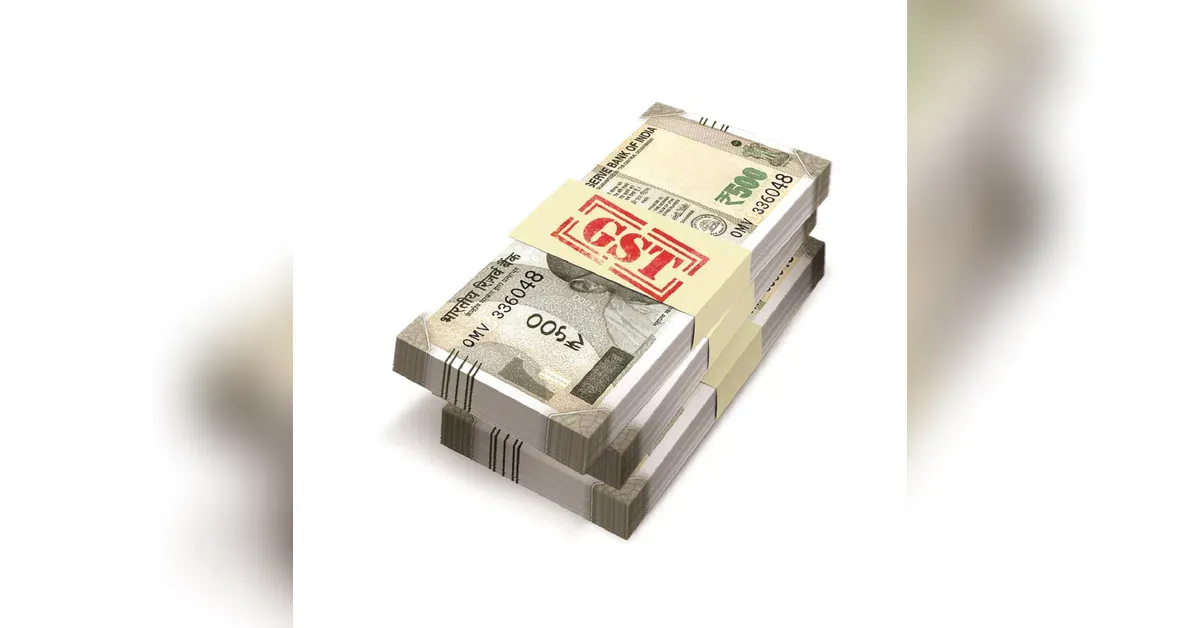
India's GST system, introduced in 2017 to unify indirect taxes, has seen registrations rise from 66.5 lakh to 1.65 crore by May 2026, reflecting increased formalisation. The finance ministry reports that AI and data analytics are used to detect tax evasion and ease compliance for honest taxpayers. While return filing has become more digital and structured, businesses face ongoing challenges with input tax credit processes, which remain a major compliance and litigation issue.
First-hand measurement across 2 sources
We measured how 2 outlets covered this story. Coverage leans balanced overall (Left 10%, Centre 80%, Right 10%). Overall sentiment is neutral (61/100). Lens Score 31/100 — low public interest.
Outlets analysed (first-hand measurement by TBN's Bias Engine):
- economictimes— balanced framing, positive sentiment
- businessstandard— balanced framing, positive sentiment
AI Analysis
The articles present a largely neutral government perspective highlighting technological advancements in GST administration and increased tax compliance. They include expert views acknowledging both improvements and persistent challenges, such as input tax credit issues. The coverage balances official statements with independent analysis without favoring any political ideology or party.
The overall tone is mixed, combining positive aspects like increased registrations, higher collections, and AI-driven enforcement with critical insights into compliance complexities and input tax credit difficulties. The sentiment reflects cautious optimism about technological progress alongside recognition of ongoing business burdens.
How 2 sources covered this story
Each source's own headline, political lean, and sentiment — so you can see framing differences at a glance.