Skip to content
Get the Balanced News app for a better experience!
The Balanced News Logo
Analytics
The Balanced News Logo

Stay Balanced, Stay Informed

Menu
  • Browse News
  • Underreported Stories
  • Curated Feeds
  • Insights
  • Analytics
  • Our Writers
  • About Us
  • Download App
Learn
  • How It Works
  • Bias Detection
  • Lens Score
  • Source Bias Checker
  • Accountability
  • Custom Feeds
Newsroom
  • Writers & Analysts
  • About TBN
  • Editorial Standards
  • Corrections Policy
  • Our Partners
  • Insights
Socials
  • Youtube
  • Instagram
  • X
  • Facebook
News Categories
  • Trending
  • Politics
  • Sports
  • Business
  • Tech
  • Entertainment
  • Health
  • Science
  • Crime
  • Lifestyle
  • National
  • International
  • Good News
  • Crypto

Get Our App

Available for iOS and Android


LensFeedsInsightsAnalyticsTrendingGood NewsSportsPoliticsBusinessCrimeTechEntertainmentHealthNationalInternational

© 2026 The Balanced News. All rights reserved.

About UsEditorial StandardsCorrectionsHelp & SupportPrivacy PolicyTerms & Conditions
Goldman Sachs Projects 2.8% Global GDP Growth in 2027 Supported by AI and Lower Energy Prices
Categories

Categories

Related Coverage

Select a news story to see related coverage from other media outlets.

Related Coverage

Select a news story to see related coverage from other media outlets.

  1. Home
  2. /
  3. Business

Goldman Sachs Projects 2.8% Global GDP Growth in 2027 Supported by AI and Lower Energy Prices

Analysed 14 Nov 2026·4 sources analysed·Iran·Business
Goldman Sachs Projects 2.8% Global GDP Growth in 2027 Supported by AI and Lower Energy PricesPreviousNext

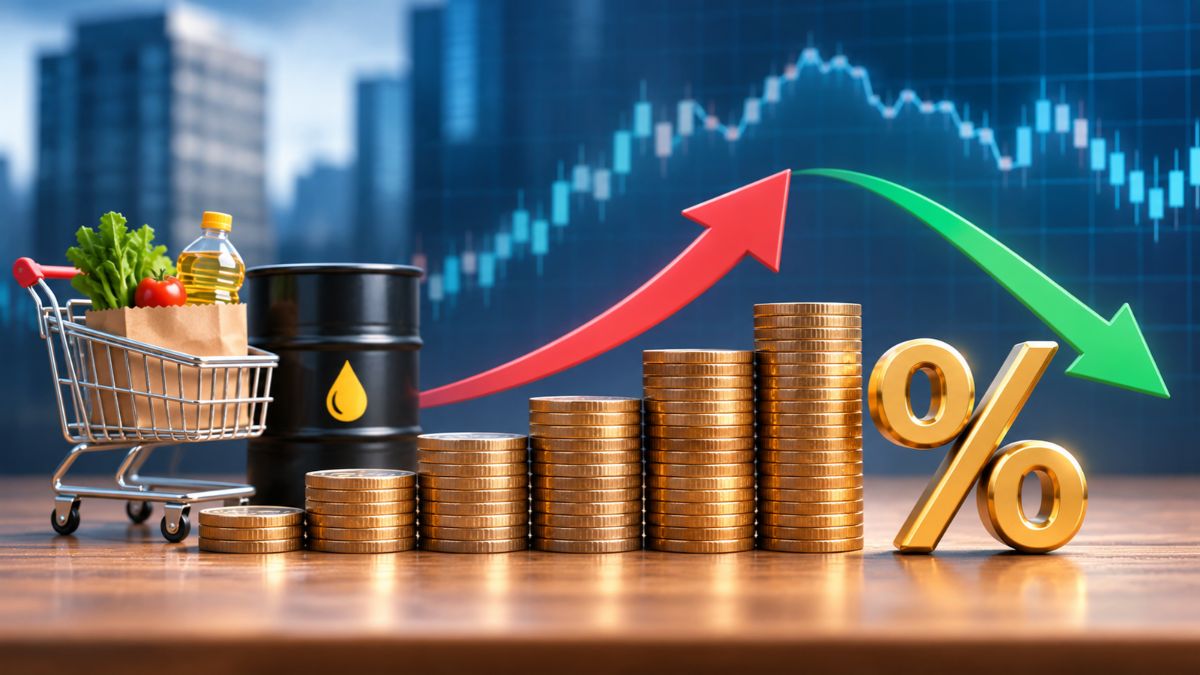
Goldman Sachs projects global economic growth of 2.8% in 2027, slightly up from 2.7% in 2026, driven by easing energy prices and increased investment in artificial intelligence (AI). Brent crude oil prices are expected to decline to $78 per barrel, while AI investment could add 0.4 percentage points to GDP growth. Despite these positives, tighter financial conditions and reduced government spending may moderate expansion. The US may see core inflation ease to 2.4% by year-end 2027, supported by fading tariff impacts and lower energy costs, though Europe could face continued energy price pressures.

Sentiment
59%
TBN's observations

First-hand measurement across 3 sources

We measured how 3 outlets covered this story. No outlet gave this story a measurable political slant — there is no left–right reading to report. Overall sentiment is neutral (59/100). Lens Score 42/100.

Outlets measured: timesnow, news18, thetribune. See how each one headlined and framed the same story in the source comparison below.

AI analysis of 3 sources · Published under editorial oversight by The Balanced News
Analysed 14 Nov 2026· How this analysis is produced· Editorial standards· Corrections

AI Analysis

Sentiment — Neutral (59/100)

Sentiment was consistent across outlets (54–68/100), indicating broadly factual reporting rather than editorialising.

Coverage timeline

thetribune broke this story on 14 Nov, 10:58 am. Other outlets followed.

14 Nov, 10:58 am3 sources · 52 min14 Nov, 11:51 am
AI analysis by the TBN Bias Engine · beat methodology byMrunal Wange· Business & Economy Editor· editorial standards byOjas Kale
← Previous
Austere Systems and ROX Hi-Tech Announce H1 FY27 Financial Results
Next →
Brainbees Solutions Reports 14% Revenue Growth and Reduced Q2 Net Loss
  1. 1
    thetribune14 Nov, 10:58 am
    Global economy to grow 2.8 in 2027 as energy prices ease: Goldman Sachs
  2. 2
    news1814 Nov, 11:02 am
    Global economy to grow 2.8 in 2027 as energy prices ease: Goldman Sachs
  3. 3
    timesnow14 Nov, 11:51 am
    Goldman Sachs Sees Global GDP Growth Improving To 2.8 In 2027

Who's involved

Institutions and figures named across source coverage.

Corporate
Goldman Sachs Research

Story context

Category
Business
Location
Iran
Sources analysed
4
Last analysed
14 Nov 2026
Key entities
Goldman SachsArtificial intelligenceEconomic growthWorld economyPrice of oilBrent CrudeCommodityEuropeCore inflationIranIndiaThe Economist