Skip to content
Get the Balanced News app for a better experience!
The Balanced News Logo
Analytics
The Balanced News Logo

Stay Balanced, Stay Informed

Menu
  • Browse News
  • Underreported Stories
  • Curated Feeds
  • Insights
  • Analytics
  • Our Writers
  • About Us
  • Download App
Learn
  • How It Works
  • Bias Detection
  • Lens Score
  • Source Bias Checker
  • Accountability
  • Custom Feeds
Newsroom
  • Writers & Analysts
  • About TBN
  • Editorial Standards
  • Corrections Policy
  • Our Partners
  • Insights
Socials
  • Youtube
  • Instagram
  • X
  • Facebook
News Categories
  • Trending
  • Politics
  • Sports
  • Business
  • Tech
  • Entertainment
  • Health
  • Science
  • Crime
  • Lifestyle
  • National
  • International
  • Good News
  • Crypto

Get Our App

Available for iOS and Android


LensFeedsInsightsAnalyticsTrendingGood NewsSportsPoliticsBusinessCrimeTechEntertainmentHealthNationalInternational

© 2026 The Balanced News. All rights reserved.

About UsEditorial StandardsCorrectionsHelp & SupportPrivacy PolicyTerms & Conditions
IEA Reports Diesel Supply Tightness and Global Oil Demand Decline Through 2027
Categories

Categories

Related Coverage

Select a news story to see related coverage from other media outlets.

Related Coverage

Select a news story to see related coverage from other media outlets.

  1. Home
  2. /
  3. Business

IEA Reports Diesel Supply Tightness and Global Oil Demand Decline Through 2027

Analysed 14 Oct 2026·4 sources analysed·London, United Kingdom·Business
IEA Reports Diesel Supply Tightness and Global Oil Demand Decline Through 2027PreviousNext

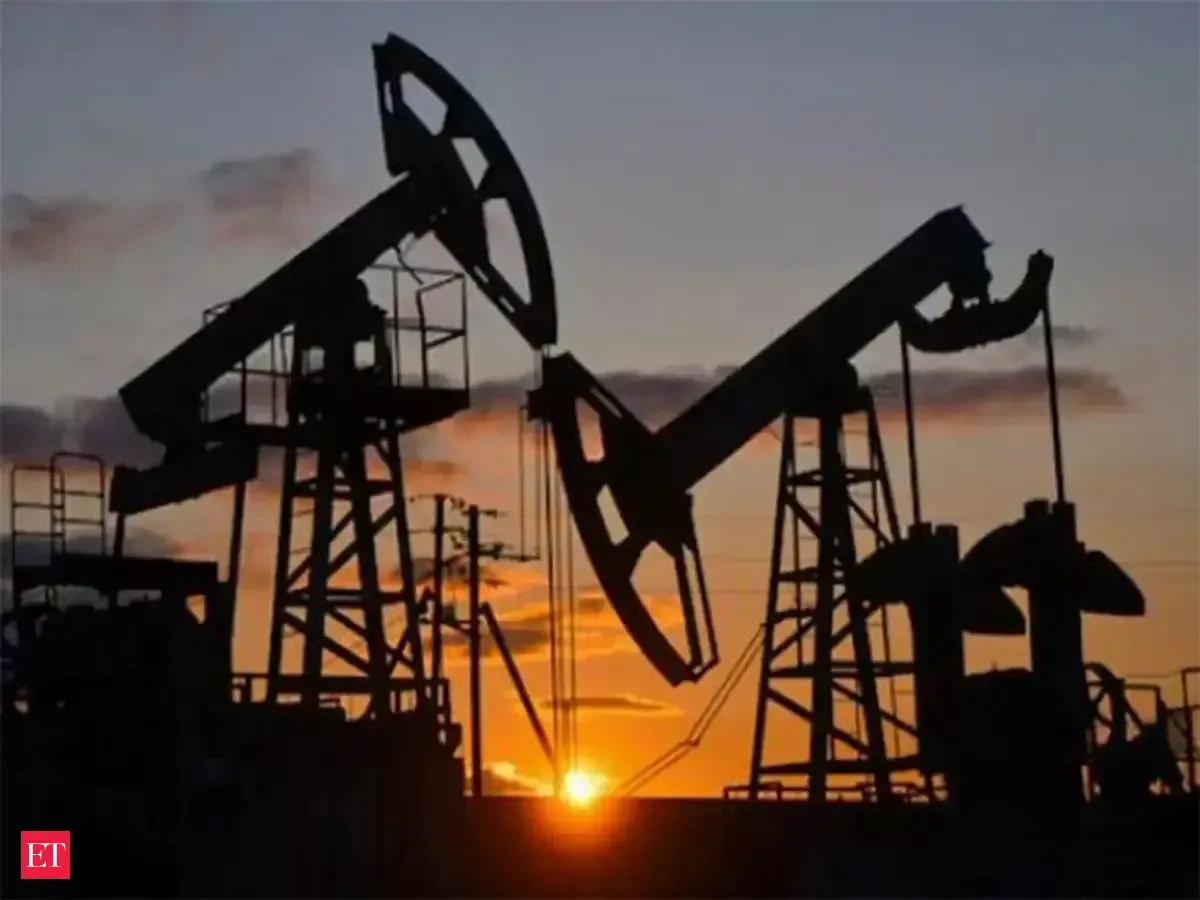
The International Energy Agency (IEA) reports that global diesel supplies will remain tight into 2027 due to disruptions from the Iran war and attacks on Russian refineries, causing record-high diesel prices and economic impacts. Global oil demand is expected to decline by 2.6 million barrels per day in 2026, with diesel accounting for 25% of the drop. While oil supply may temporarily rise, refinery margins face pressure from higher crude costs, and a partial demand recovery is forecast for 2027, though levels will stay below 2025.

Sentiment
46%
TBN's observations

First-hand measurement across 3 sources

We measured how 3 outlets covered this story. No outlet gave this story a measurable political slant — there is no left–right reading to report. Overall sentiment is neutral (46/100). Lens Score 40/100.

Outlets measured: thetribune, hindustantimes, deccanherald. See how each one headlined and framed the same story in the source comparison below.

AI analysis of 3 sources · Published under editorial oversight by The Balanced News
Analysed 14 Oct 2026· How this analysis is produced· Editorial standards· Corrections

AI Analysis

Sentiment — Neutral (46/100)

Sentiment was consistent across outlets (38–48/100), indicating broadly factual reporting rather than editorialising.

Coverage timeline

deccanherald broke this story on 14 Oct, 09:55 am. Other outlets followed.

14 Oct, 09:55 am3 sources · 2 h14 Oct, 12:07 pm
AI analysis by the TBN Bias Engine · beat methodology byMrunal Wange· Business & Economy Editor· editorial standards byOjas Kale
← Previous
Cabinet Approves Fairfax's Rs 52,878 Crore Acquisition of 60.72% Stake in IDBI Bank
Next →
Reliance Consumer Products Launches Joyland Flavoured Milk in Tamil Nadu at Rs 20
  1. 1
    deccanherald14 Oct, 09:55 am
    Diesel shortage: IEA warns fuel crisis could persist well into next year
  2. 2
    hindustantimes14 Oct, 11:05 am
    Global diesel squeeze to drag into 2027, IEA says
  3. 3
    thetribune14 Oct, 12:07 pm
    Global oil demand to fall by 2.6 million barrels per day in 2026, diesel to account for 25 pc of decline: IEA - The Tribune

Who's involved

Institutions and figures named across source coverage.

Government
Group of Seven major economies

Story context

Category
Business
Location
London, United Kingdom
Sources analysed
4
Last analysed
14 Oct 2026
Key entities
Diesel fuelInternational Energy AgencyPetroleumOil refineryBarrelIranMiddle EastRussiaChinaOPECSaudi ArabiaUnited Arab Emirates