BIS Introduces Framework to Support Conservation of Indigenous Seed Varieties
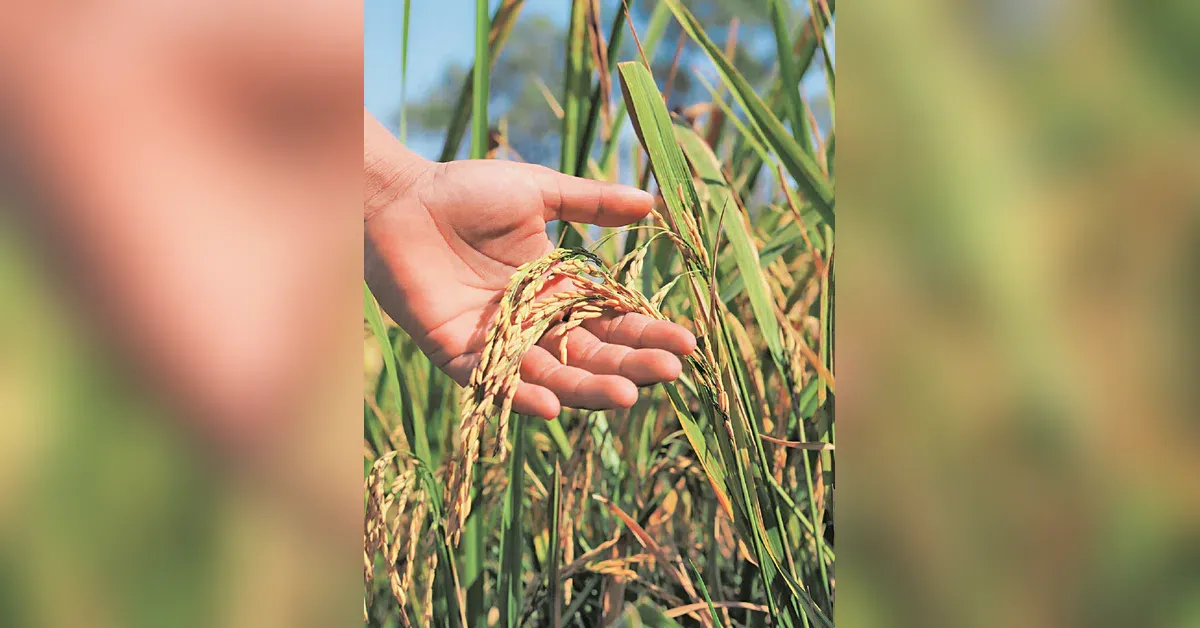
The Bureau of Indian Standards (BIS) has introduced a voluntary framework, IS 20201:2026, to guide community seed banks in conserving India's indigenous crop varieties. This standard covers seed collection, viability testing, storage, documentation, and regeneration, aiming to protect traditional seeds valued for traits like drought tolerance and disease resistance amid climate challenges. Developed with input from agricultural and biodiversity authorities, the framework supports decentralized seed management and aligns with government programs promoting food security and nutrition.
First-hand measurement across 2 sources
We measured how 2 outlets covered this story. Coverage leans balanced overall (Left 5%, Centre 93%, Right 2%). Overall sentiment is positive (72/100). Lens Score 36/100 — moderate-to-low public interest.
Outlets analysed (first-hand measurement by TBN's Bias Engine):
- economictimes— balanced framing, positive sentiment
- businessstandard— balanced framing, positive sentiment
AI Analysis
The articles present a neutral governmental perspective focusing on agricultural conservation and climate resilience. They highlight collaboration among government bodies and research institutions without partisan framing. The coverage emphasizes policy implementation and technical standards, reflecting a consensus on the importance of preserving traditional seeds amid environmental challenges.
The tone across the articles is positive and informative, emphasizing proactive measures to address climate risks in agriculture. The coverage highlights the benefits of the new BIS standard for farmers and communities, portraying the initiative as a constructive step toward sustainable seed management without expressing criticism or controversy.
How 2 sources covered this story
Each source's own headline, political lean, and sentiment — so you can see framing differences at a glance.