Japan's Exports Rise Ninth Month Amid Semiconductor Demand and Middle East Disruptions
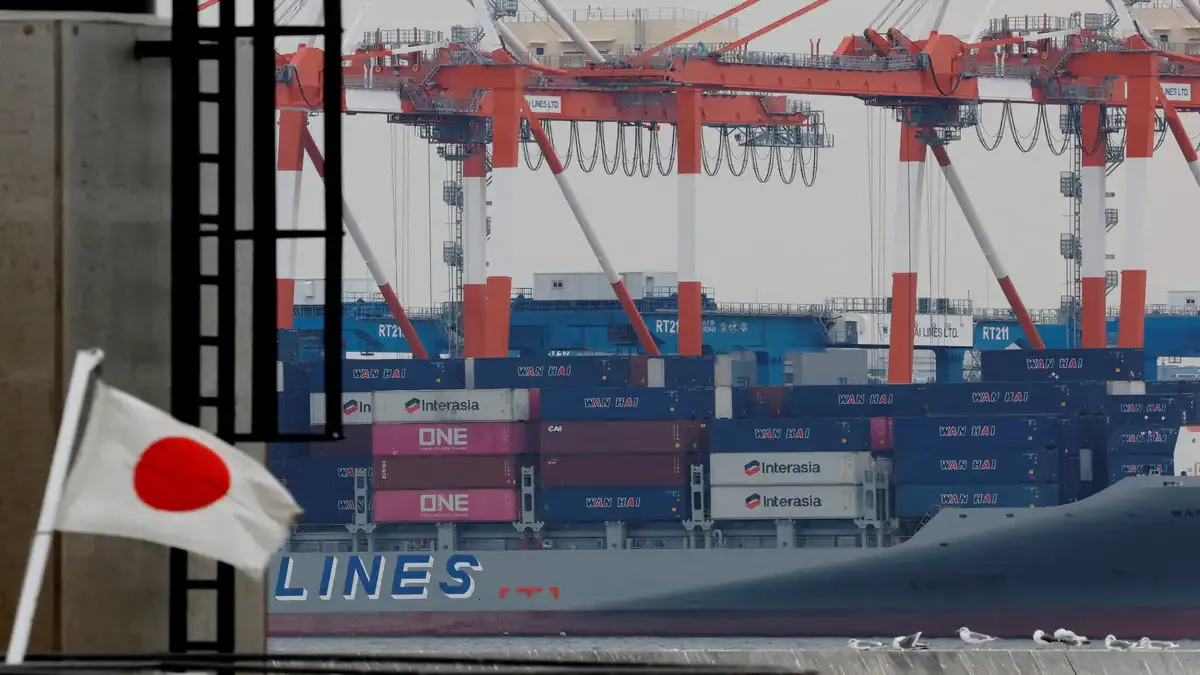
Japan's exports rose for the ninth consecutive month in May, increasing 17% year-on-year, driven by strong global demand for semiconductors and electronic components linked to AI and data center investments. Exports to the US and China grew notably despite supply chain disruptions and higher energy costs from the Middle East conflict. Imports increased 12.5%, partly due to higher purchases of communication devices, while crude oil imports fell sharply amid regional tensions. Japan recorded a trade deficit of about USD 2.34 billion in May, its first in four months.
First-hand measurement across 3 sources
We measured how 3 outlets covered this story. Coverage leans balanced overall (Left 0%, Centre 100%, Right 0%). Overall sentiment is neutral (63/100). Lens Score 31/100 — low public interest.
Outlets analysed (first-hand measurement by TBN's Bias Engine):
- thetribune— balanced framing, neutral sentiment
- economictimes— balanced framing, neutral sentiment
- firstpost— balanced framing, positive sentiment
AI Analysis
The articles present a largely economic and trade-focused perspective without overt political bias. They highlight Japan's export growth and trade challenges due to Middle East tensions, reflecting government data and market analysis. The coverage includes viewpoints on geopolitical impacts on energy supplies and monetary policy changes, maintaining a neutral tone without favoring any political stance or party.
The overall sentiment is mixed but primarily neutral to positive, emphasizing Japan's export resilience and strong semiconductor demand despite external disruptions. While acknowledging challenges like supply chain issues and a widened trade deficit, the tone remains factual and balanced, avoiding sensationalism or alarmist language.
How 3 sources covered this story
Each source's own headline, political lean, and sentiment — so you can see framing differences at a glance.