US Federal Reserve Forms Five Task Forces to Review Monetary Policy Framework
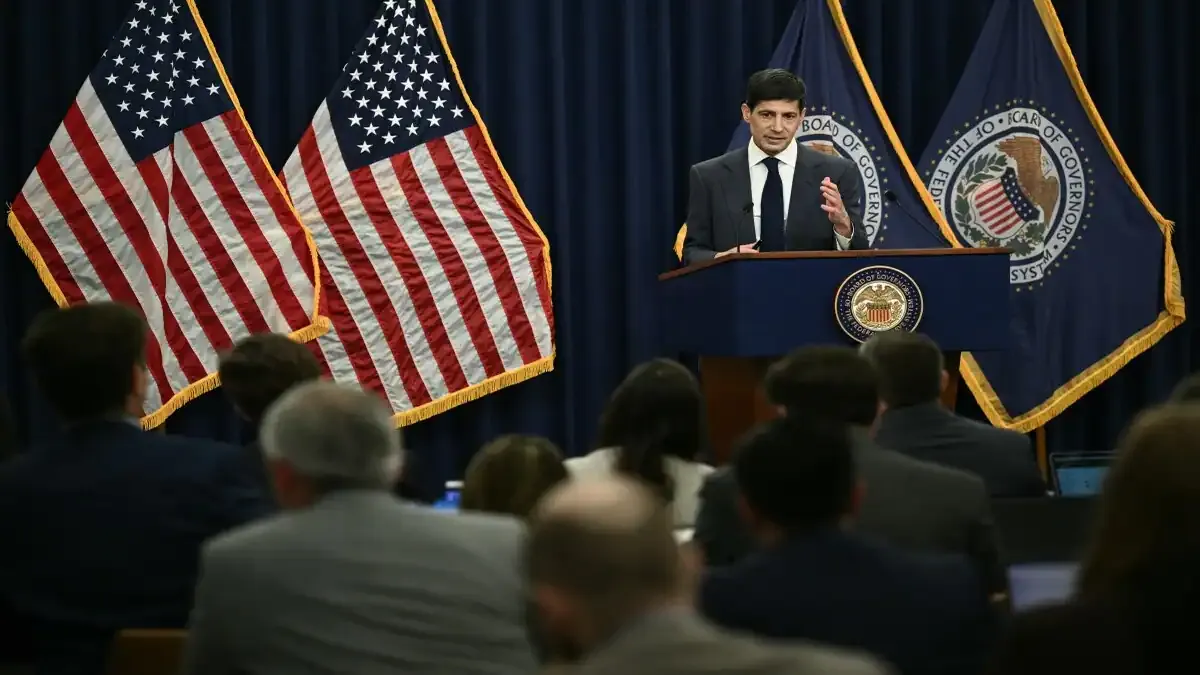
The US Federal Reserve, led by Chair Kevin Warsh, has established five independent task forces to review and modernize key aspects of its monetary policy framework amid a rapidly evolving economy. These panels, co-led by prominent economists and business leaders including Raghuram Rajan and Marc Andreessen, will examine areas such as balance sheet management, inflation, communications, economic data, and the impact of technology on productivity and jobs. Recommendations are expected by year-end to inform future Fed policy decisions.
First-hand measurement across 5 sources
We measured how 5 outlets covered this story. Coverage leans balanced overall (Left 0%, Centre 100%, Right 0%). Overall sentiment is positive (68/100). Lens Score 35/100 — moderate-to-low public interest.
Outlets analysed (first-hand measurement by TBN's Bias Engine):
- economictimes— balanced framing, neutral sentiment
- firstpost— balanced framing, positive sentiment
- economictimes— balanced framing, positive sentiment
- thetribune— balanced framing, neutral sentiment
- firstpost— balanced framing, positive sentiment
AI Analysis
The article group presents a range of perspectives primarily focused on the Federal Reserve's internal policy review process, featuring views from Fed officials, economists, and business leaders. Coverage emphasizes the Fed's intent to adapt to economic changes without partisan framing. Sources highlight both the expertise of task force members and the potential for policy evolution, reflecting a balanced portrayal of institutional reform efforts.
The overall tone across the articles is neutral to cautiously optimistic, emphasizing the Fed's proactive steps to update its policy tools in response to economic shifts. While some sources note uncertainties about the extent of change, the coverage generally conveys a constructive approach to modernization without sensationalism or criticism.
How 5 sources covered this story
Each source's own headline, political lean, and sentiment — so you can see framing differences at a glance.