Rising Energy Demand and Fuel Prices Drive EV Adoption Amid Import Dependence and Infrastructure Challenges
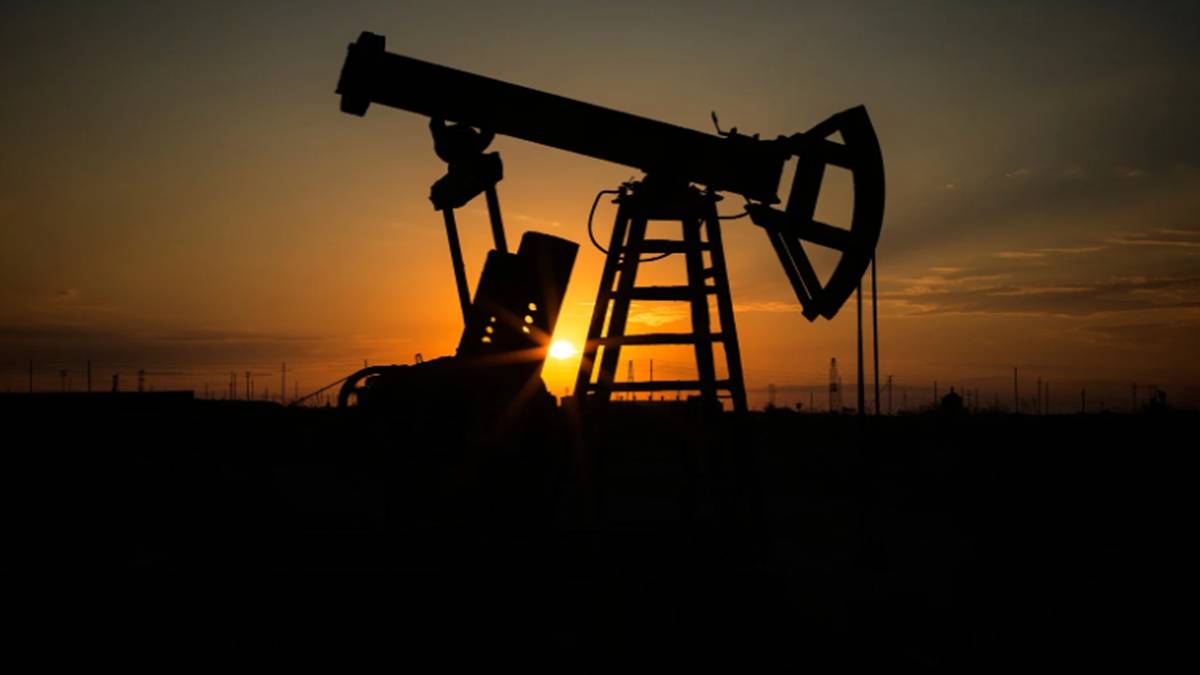
India's reliance on oil and gas imports is projected to rise over the next two decades despite efforts to increase renewable energy and electric vehicle (EV) adoption, with energy demand expected to more than double by 2056. Meanwhile, high fuel prices driven by the Iran conflict have accelerated EV adoption across Asia and Africa, boosting Chinese EV exports. However, charging infrastructure development is lagging behind this surge, posing challenges for sustained electrification in these regions.
First-hand measurement across 2 sources
We measured how 2 outlets covered this story. Coverage leans balanced overall (Left 5%, Centre 93%, Right 2%). Overall sentiment is neutral (60/100). Lens Score 34/100 — low public interest.
Outlets analysed (first-hand measurement by TBN's Bias Engine):
- businessstandard— balanced framing, neutral sentiment
- thefinancialexpress— balanced framing, neutral sentiment
AI Analysis
The articles present perspectives focused on economic and energy trends without explicit political framing. One highlights India's energy import dependence and projections from a financial institution, while the other discusses geopolitical impacts on fuel prices and EV market shifts in Asia and Africa, emphasizing Chinese export growth. Both sources frame the story through economic and market developments rather than political debate.
The overall tone is neutral to cautiously informative, outlining challenges such as rising import bills and infrastructure gaps alongside positive developments like increased EV adoption and renewable energy efforts. The coverage balances concerns about energy dependence and infrastructure limitations with recognition of market responses and technological shifts, resulting in a mixed but fact-based sentiment.