Uttar Pradesh Imposes 10% Fuel Surcharge on Electricity Bills from June
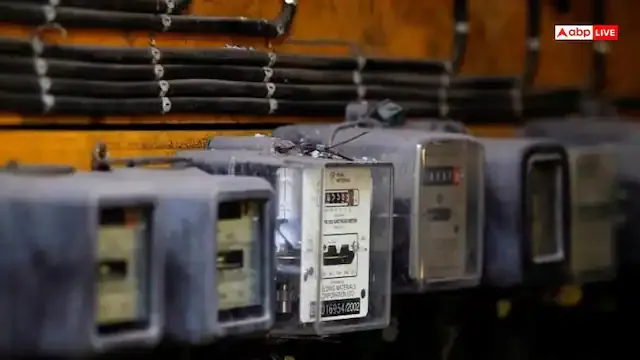
Starting June, electricity bills in Uttar Pradesh will increase by 10 percent due to a Fuel and Power Purchase Adjustment Surcharge (FPPAS) imposed by the Uttar Pradesh Power Corporation Limited (UPPCL). This surcharge, calculated for March 2026, aims to recover higher fuel and power procurement costs amid rising global energy prices. The increase applies to all consumer categories and follows regulations set by the Uttar Pradesh Electricity Regulatory Commission under the Multi-Year Tariff framework. The move has drawn criticism from consumer groups and opposition parties, citing added financial burden amid power supply concerns, while government officials urge acceptance given external factors like the West Asia crisis.
First-hand measurement across 15 sources
We measured how 15 outlets covered this story. Coverage leans balanced overall (Left 22%, Centre 69%, Right 9%). Overall sentiment is negative (33/100). Lens Score 23/100 — low public interest.
Outlets analysed (first-hand measurement by TBN's Bias Engine):
- thehindu— left-leaning framing, negative sentiment
- hindustantimes— centre-left framing, negative sentiment
- zeenews— left-leaning framing, negative sentiment
- economictimes— right-leaning framing, neutral sentiment
- thefinancialexpress— balanced framing, neutral sentiment
- news18— balanced framing, neutral sentiment
- wion— balanced framing, neutral sentiment
- ndtv— balanced framing, neutral sentiment
AI Analysis
The article group presents perspectives from government officials who justify the surcharge as necessary due to rising fuel costs linked to global events, emphasizing regulatory compliance. Opposition voices and consumer groups criticize the increase as an added burden amid power outages and rising living costs. Coverage includes both supportive government statements and critical responses, reflecting a balanced representation of political viewpoints.
The overall tone across the articles is mixed. While the government frames the surcharge as a necessary adjustment to external fuel price pressures, consumer groups and opposition parties express concern and dissatisfaction over the financial impact and timing amid ongoing power supply issues. The sentiment balances acknowledgment of economic realities with public frustration.