Skip to content
Get the Balanced News app for a better experience!
The Balanced News Logo
Analytics
The Balanced News Logo

Stay Balanced, Stay Informed

Menu
  • Browse News
  • Underreported Stories
  • Curated Feeds
  • Insights
  • Analytics
  • Our Writers
  • About Us
  • Download App
Learn
  • How It Works
  • Bias Detection
  • Lens Score
  • Source Bias Checker
  • Accountability
  • Custom Feeds
Newsroom
  • Writers & Analysts
  • About TBN
  • Editorial Standards
  • Corrections Policy
  • Our Partners
  • Insights
Socials
  • Youtube
  • Instagram
  • X
  • Facebook
News Categories
  • Trending
  • Politics
  • Sports
  • Business
  • Tech
  • Entertainment
  • Health
  • Science
  • Crime
  • Lifestyle
  • National
  • International
  • Good News
  • Crypto

Get Our App

Available for iOS and Android


LensFeedsInsightsAnalyticsTrendingGood NewsSportsPoliticsBusinessCrimeTechEntertainmentHealthNationalInternational

© 2026 The Balanced News. All rights reserved.

About UsEditorial StandardsCorrectionsHelp & SupportPrivacy PolicyTerms & Conditions
Experts Discuss Maritime Shipping Challenges and Trade Route Resilience Efforts
Categories

Categories

Related Coverage

Select a news story to see related coverage from other media outlets.

Related Coverage

Select a news story to see related coverage from other media outlets.

  1. Home
  2. /
  3. Business

Experts Discuss Maritime Shipping Challenges and Trade Route Resilience Efforts

Analysed 9 Oct 2026·2 sources analysed·Riyadh, Saudi Arabia·Business
Experts Discuss Maritime Shipping Challenges and Trade Route Resilience EffortsPreviousNext

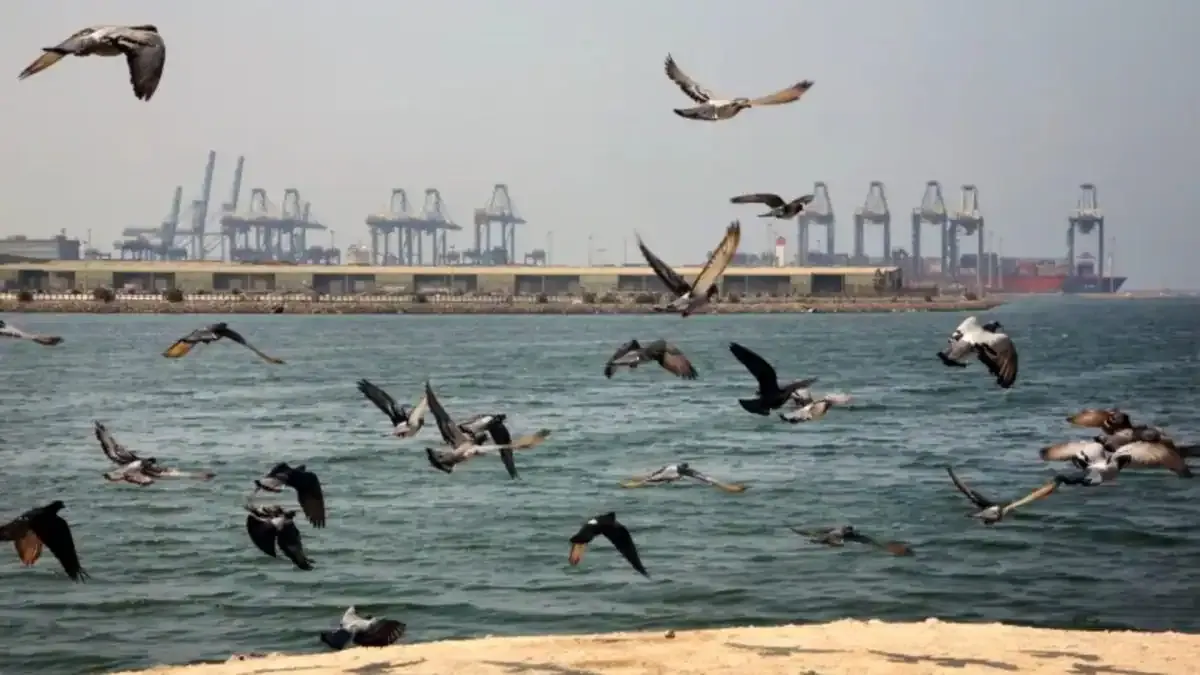
Experts highlight the critical role of maritime shipping, which carries about 80% of global trade by volume, in sustaining the global economy. Harvard's Myrto Kalouptsidi explains how disruptions at key chokepoints like Hormuz and Suez cause volatile freight rates and impact goods prices. Meanwhile, Saudi Arabia's port authority emphasizes building resilience in maritime trade through strategic partnerships and infrastructure, advocating for initiatives like the India-Middle East-Europe Economic Corridor to mitigate supply chain vulnerabilities amid regional tensions.

Sentiment
57%
TBN's observations

First-hand measurement across 2 sources

We measured how 2 outlets covered this story. No outlet gave this story a measurable political slant — there is no left–right reading to report. Overall sentiment is neutral (57/100). Lens Score 43/100.

Outlets measured: firstpost, economictimes. See how each one headlined and framed the same story in the source comparison below.

AI analysis of 2 sources · Published under editorial oversight by The Balanced News
Analysed 9 Oct 2026· How this analysis is produced· Editorial standards· Corrections

AI Analysis

Sentiment — Neutral (57/100)

Sentiment was consistent across outlets (52–62/100), indicating broadly factual reporting rather than editorialising.

Coverage timeline

economictimes broke this story on 8 Oct, 06:14 pm. Other outlets followed.

8 Oct, 06:14 pm2 sources · 13 h9 Oct, 06:48 am
AI analysis by the TBN Bias Engine · beat methodology byMrunal Wange· Business & Economy Editor· editorial standards byOjas Kale
← Previous
Aditya Birla Renewables Seeks 1.5 Billion Rupee Loans for Shell India Acquisition
Next →
IIM Jammu and Partners to Host GCC Summit Highlighting Regional Potential
1
economictimes8 Oct, 06:14 pm
ET Evoke: 'Shipping, moving 80 world trade, is far more volatile than stocks,' says Harvard University's Myrto Kalouptsidi
  • 2
    firstpost9 Oct, 06:48 am
    'Not afraid of Houthis, but we need more Imecs': Saudi Arabia's message on maritime trade resilience
  • Who's involved

    Institutions and figures named across source coverage.

    Government
    United States GovernmentSaudi Ports Authority
    Corporate
    DP World

    Story context

    Category
    Business
    Location
    Riyadh, Saudi Arabia
    Sources analysed
    2
    Last analysed
    9 Oct 2026
    Key entities
    Strait of HormuzInternational tradePortIndiaUnited StatesKöppen climate classificationHarvard UniversityEconomicsAsiaChinaChoke pointBulk cargo