India Expands Semiconductor Strategy Amid Execution Challenges and Import Dependence
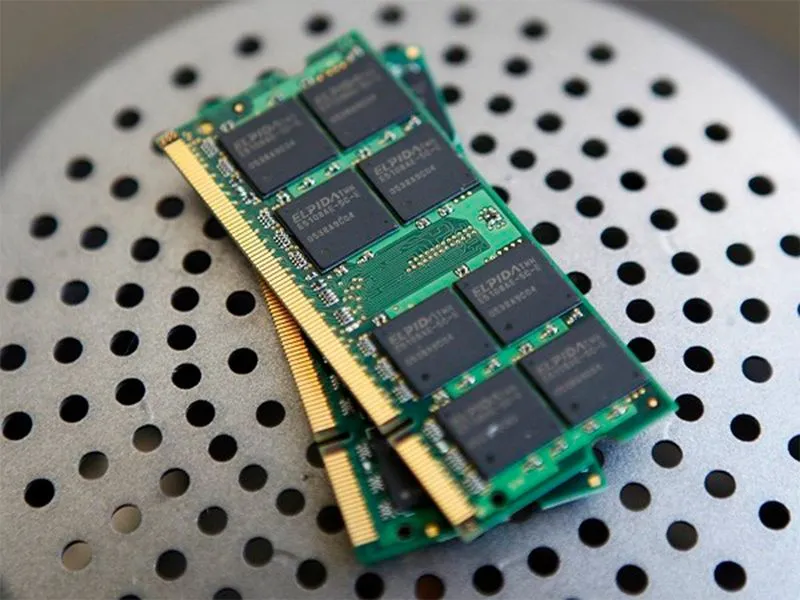
India is advancing its semiconductor capabilities in fabrication, packaging, and testing, drawing on strategies from leading Asian nations. However, execution challenges persist due to heavy reliance on imported equipment, chemicals, and materials, with over 90% of semiconductor equipment still imported. The government is finalizing Semicon 2.0 to expand incentives across the semiconductor value chain, including chip design startups and domestic suppliers, aiming to build a skilled workforce and strengthen supply chains to reduce import dependence and boost competitiveness.
First-hand measurement across 4 sources
We measured how 4 outlets covered this story. Coverage leans balanced overall (Left 10%, Centre 82%, Right 8%). Overall sentiment is neutral (60/100). Lens Score 27/100 — low public interest.
Outlets analysed (first-hand measurement by TBN's Bias Engine):
- economictimes— balanced framing, neutral sentiment
- economictimes— balanced framing, positive sentiment
- news18— balanced framing, neutral sentiment
- thetribune— balanced framing, neutral sentiment
AI Analysis
The articles present a largely neutral perspective focused on India's semiconductor industry development, highlighting government initiatives and industry challenges without partisan framing. They include official statements and expert reports, reflecting a consensus on the need for improved execution and supply chain development. The coverage balances optimism about policy expansions with acknowledgment of ongoing import reliance, avoiding political critique or praise.
The overall tone is mixed, combining positive aspects of India's strategic planning and talent pool with concerns about execution hurdles and heavy import dependence. The reporting emphasizes constructive government efforts to broaden incentives and build domestic capabilities while realistically addressing current limitations, resulting in a balanced and informative sentiment.