Strong El Niño Forecasted to Impact Tropical Soft Commodity Crops Globally
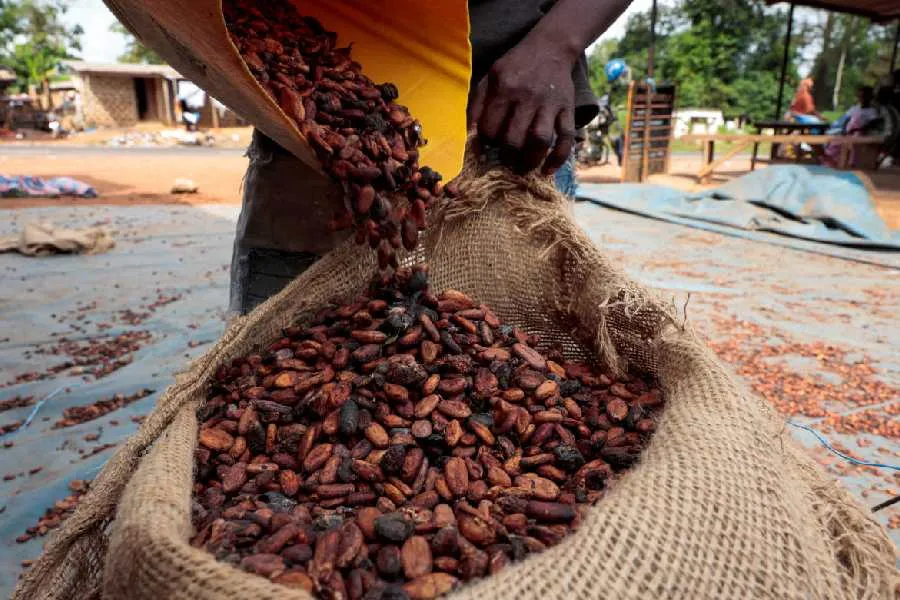
Forecasters predict a strong El Niño developing in the latter half of the year, likely increasing global temperatures and altering rainfall patterns. This weather phenomenon, caused by warming sea surface temperatures in the eastern Pacific, typically lasts nine to 12 months and affects regions differently, causing droughts or heavy rains. Tropical soft commodities such as cocoa, coffee, and sugar are particularly vulnerable, with past strong El Niño events linked to reduced yields and price increases. Farmers also face challenges from current fertilizer and fuel price shocks.
First-hand measurement across 2 sources
We measured how 2 outlets covered this story. Coverage leans balanced overall (Left 0%, Centre 100%, Right 0%). Overall sentiment is neutral (42/100). Lens Score 25/100 — low public interest.
Outlets analysed (first-hand measurement by TBN's Bias Engine):
- thetelegraph— balanced framing, neutral sentiment
- economictimes— balanced framing, neutral sentiment
AI Analysis
The articles present a largely scientific and economic perspective on the El Niño phenomenon and its effects on agriculture, without evident political framing. They include viewpoints from global forecasters, investment firms, and official agencies like NOAA, focusing on environmental and market impacts. There is no partisan or ideological bias, as the coverage centers on factual explanations and economic implications.
The overall tone is neutral to cautiously concerned, emphasizing potential risks to crop yields and commodity prices due to El Niño. While the articles highlight challenges for farmers and markets, they avoid sensationalism, presenting the information as a forecast with probabilities and historical context. The sentiment reflects awareness of difficulties without alarmist language.