Pakistan Proposes Budget Targeting Middle Class Amid Inflation and Fiscal Challenges
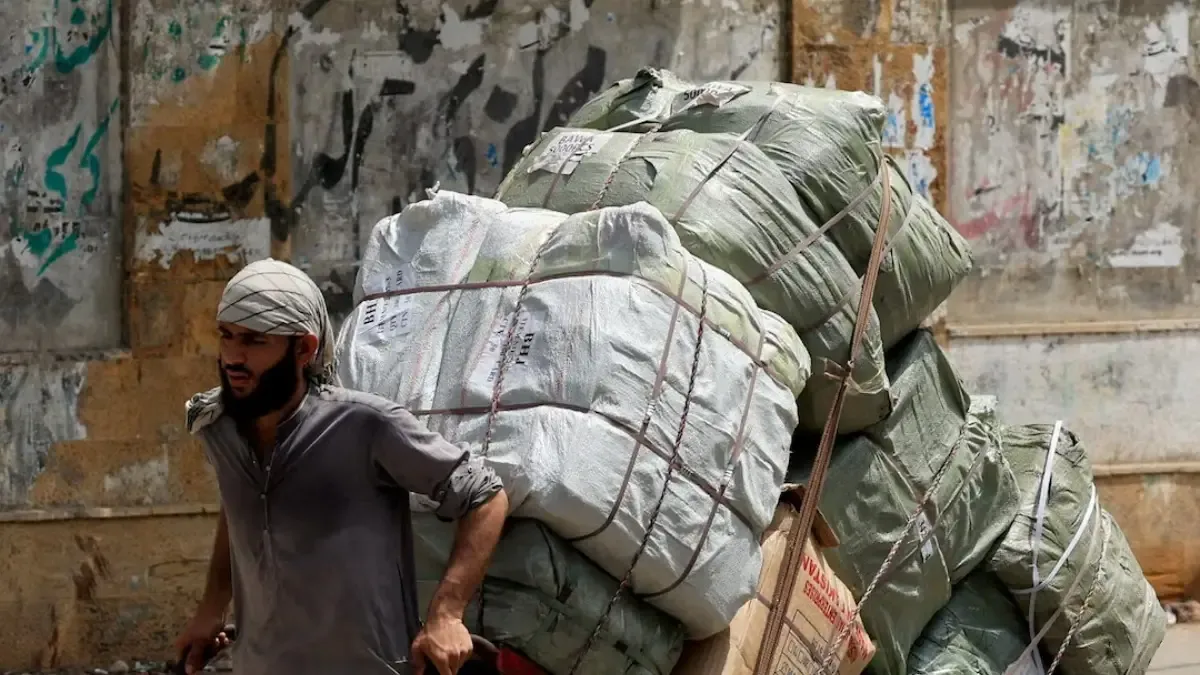
Pakistan's government plans to propose a 17.1-trillion-rupee budget for the fiscal year starting next month, aiming to raise revenue and reduce spending while protecting the poorest. The middle class and registered businesses are expected to bear the brunt of higher taxes and fuel costs, driven by inflation linked to the Iran-US conflict. Experts note the government prioritizes fiscal consolidation over growth but faces challenges expanding the tax base amid political constraints.
First-hand measurement across 2 sources
We measured how 2 outlets covered this story. Coverage leans left-leaning overall (Left 60%, Centre 35%, Right 5%). Overall sentiment is negative (30/100). Lens Score 36/100 — moderate-to-low public interest.
Outlets analysed (first-hand measurement by TBN's Bias Engine):
- republicworld— left-leaning framing, negative sentiment
- hindustantimes— left-leaning framing, negative sentiment
AI Analysis
The articles present perspectives focusing on government fiscal policy and economic challenges without partisan framing. They include expert commentary highlighting political reluctance to broaden the tax net, reflecting concerns about governance and policy priorities. Both sources emphasize the impact on the middle class and registered businesses, representing economic and political viewpoints without overt bias.
The overall tone is cautious and concerned, reflecting economic difficulties and inflationary pressures exacerbated by external conflict. Coverage is largely neutral but underscores the challenges faced by Pakistan's economy and middle class, with no overtly positive or negative sentiment toward the government or policies, resulting in a balanced but somber mood.
How 2 sources covered this story
Each source's own headline, political lean, and sentiment — so you can see framing differences at a glance.