India's Urban Growth: Vertical Expansion and Tier-2 City Real Estate Trends
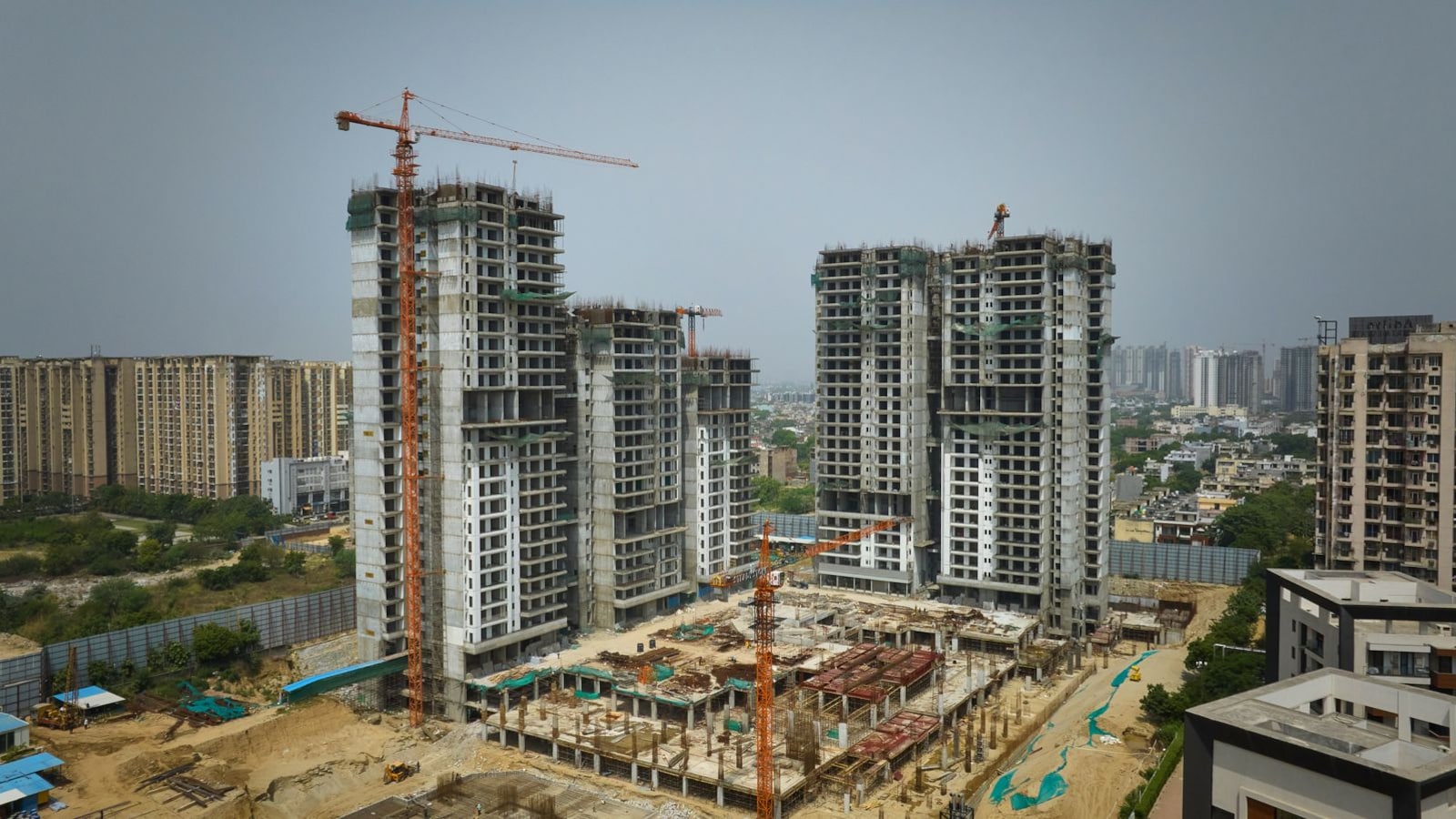
India's urban landscape is undergoing significant change due to rapid population growth and shifting work preferences. With urban populations expected to reach 600 million by 2036, cities face land scarcity, prompting a move toward vertical development to accommodate housing demand. Concurrently, Gen Z's emphasis on work-life balance and affordability is driving real estate growth in tier-2 cities, reshaping investment and living patterns beyond traditional metros like Mumbai and Delhi-NCR.
First-hand measurement across 2 sources
We measured how 2 outlets covered this story. Coverage leans balanced overall (Left 5%, Centre 93%, Right 2%). Overall sentiment is positive (72/100). Lens Score 29/100 — low public interest.
Outlets analysed (first-hand measurement by TBN's Bias Engine):
- thehindu— balanced framing, positive sentiment
- ndtv— balanced framing, positive sentiment
AI Analysis
The articles present a largely economic and demographic perspective without explicit political framing. They focus on urban planning challenges and generational shifts in housing preferences, reflecting viewpoints from industry experts and demographic data. There is no evident partisan bias, as the coverage centers on factual trends affecting urban development and real estate markets.
The overall tone is neutral to cautiously optimistic, highlighting challenges like land scarcity and infrastructure pressure alongside emerging solutions such as vertical urbanization and tier-2 city growth. The sentiment balances concerns about urban constraints with positive developments driven by changing workforce preferences and investment opportunities.
How 2 sources covered this story
Each source's own headline, political lean, and sentiment — so you can see framing differences at a glance.