Former U.S. Federal Reserve Chair Alan Greenspan Dies at 100
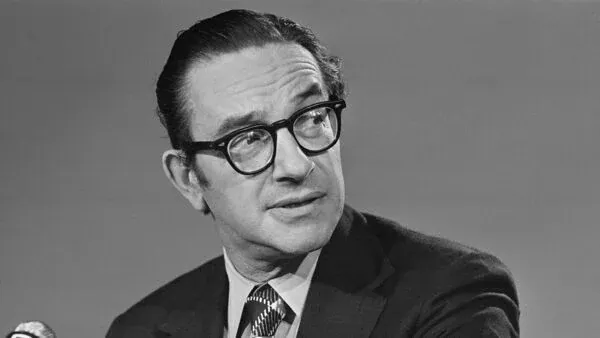
Alan Greenspan, former chairman of the U.S. Federal Reserve from 1987 to 2006, died at age 100 due to complications from Parkinson's disease, his wife Andrea Mitchell confirmed. Greenspan led the Fed through nearly two decades, overseeing one of the longest U.S. economic expansions from 1991 to 2001 and stabilizing markets after major crises. Celebrated as an economic 'maestro,' he was also criticized for policies linked to the 2007-2008 financial crisis. His legacy remains influential and debated among economists and policymakers.
First-hand measurement across 13 sources
We measured how 13 outlets covered this story. Coverage leans balanced overall (Left 0%, Centre 100%, Right 0%). Overall sentiment is neutral (62/100). Lens Score 27/100 — low public interest.
Outlets analysed (first-hand measurement by TBN's Bias Engine):
- ndtv— balanced framing, neutral sentiment
- ndtv— balanced framing, neutral sentiment
- businessstandard— balanced framing, neutral sentiment
- news18— balanced framing, neutral sentiment
- thetribune— balanced framing, neutral sentiment
- hindustantimes— balanced framing, neutral sentiment
- thefinancialexpress— balanced framing, neutral sentiment
- thehindu— balanced framing, neutral sentiment
AI Analysis
The article group presents a range of perspectives, highlighting Greenspan's bipartisan service under multiple presidents and his impact on U.S. economic policy. Sources acknowledge both his praised economic stewardship and criticisms related to financial deregulation and the 2007-08 crisis. Coverage includes official statements and expert opinions, maintaining a balanced view without partisan framing.
The overall tone is respectful and factual, emphasizing Greenspan's long career and influence while acknowledging controversies. Sentiment is mixed, combining admiration for his economic leadership and recognition of the criticisms he faced. The coverage avoids sensationalism, focusing on a measured reflection of his legacy.
How 13 sources covered this story
Each source's own headline, political lean, and sentiment — so you can see framing differences at a glance.