Experts Call for Advanced Forensics and Collaboration to Combat AI-Driven Financial Fraud
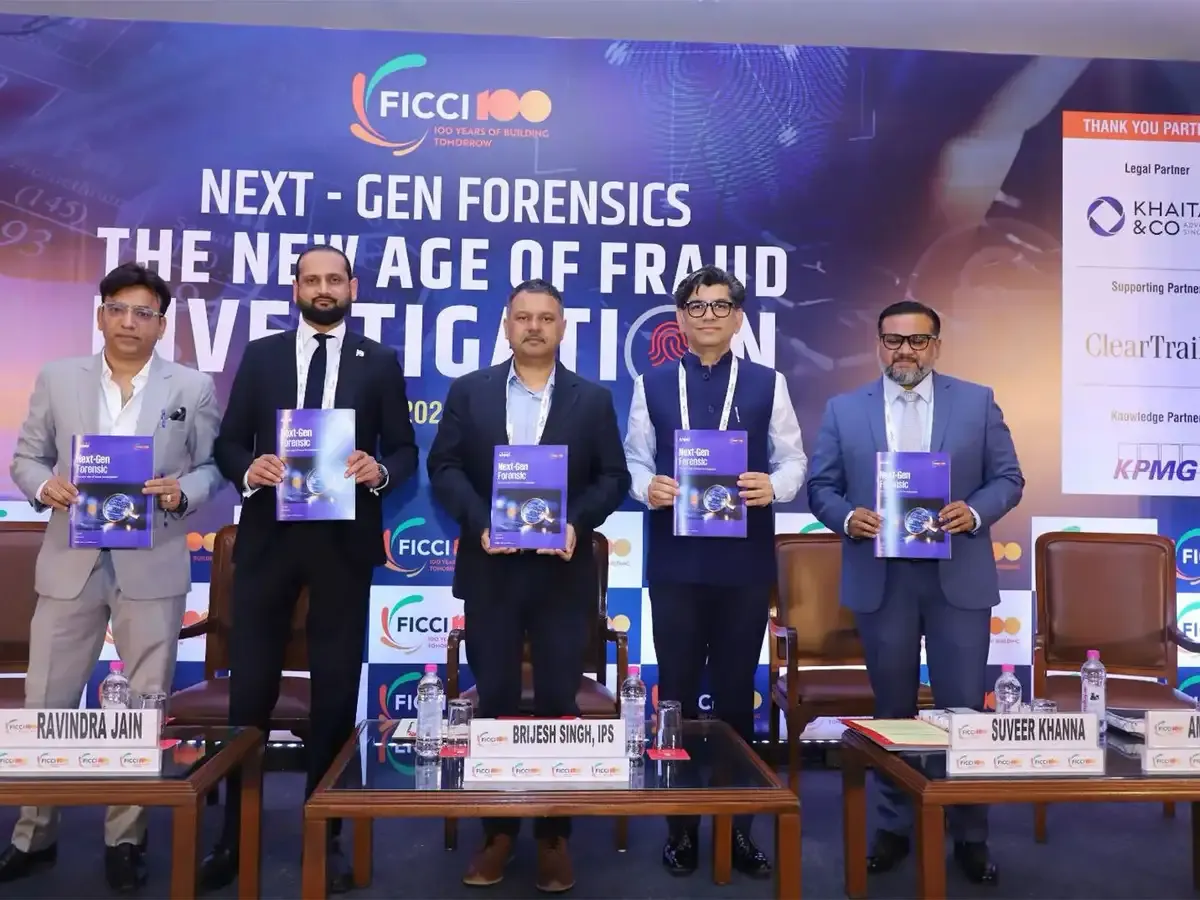
Experts at the FICCI Conference on Next-Gen Forensics highlighted the rapid evolution of financial crime driven by AI-generated deepfakes, digital scams, and crypto-enabled fraud networks. Traditional investigative methods are increasingly ineffective against this industrial-scale cybercrime, which can complete fraud cycles in under 30 minutes. Speakers, including Maharashtra's Principal Secretary Brijesh Singh, called for advanced forensic technologies, real-time intelligence sharing, and stronger collaboration among regulators, businesses, and law enforcement to enhance governance, digital trust, and crime detection.
First-hand measurement across 2 sources
We measured how 2 outlets covered this story. Coverage leans balanced overall (Left 10%, Centre 85%, Right 5%). Overall sentiment is neutral (60/100). Lens Score 38/100 — moderate-to-low public interest.
Outlets analysed (first-hand measurement by TBN's Bias Engine):
- thehindu— balanced framing, neutral sentiment
- economictimes— balanced framing, neutral sentiment
AI Analysis
The articles present perspectives primarily from government officials and industry experts emphasizing the need for technological and regulatory responses to evolving cybercrime. The coverage focuses on institutional viewpoints without partisan framing, highlighting collaboration between public and private sectors. There is no evident political bias, as the discussion centers on crime prevention and technological adaptation rather than political debate.
The tone across the articles is cautionary and serious, reflecting concern over the sophistication of AI-driven fraud and its impact on security. However, the sentiment is constructive, focusing on solutions such as advanced forensic tools and cooperation among stakeholders. There is a balanced mix of warning about risks and optimism about technological and collaborative measures to address these challenges.