India Reclaims Fifth Spot in Global Stock Market Rankings Amid Asian Market Corrections
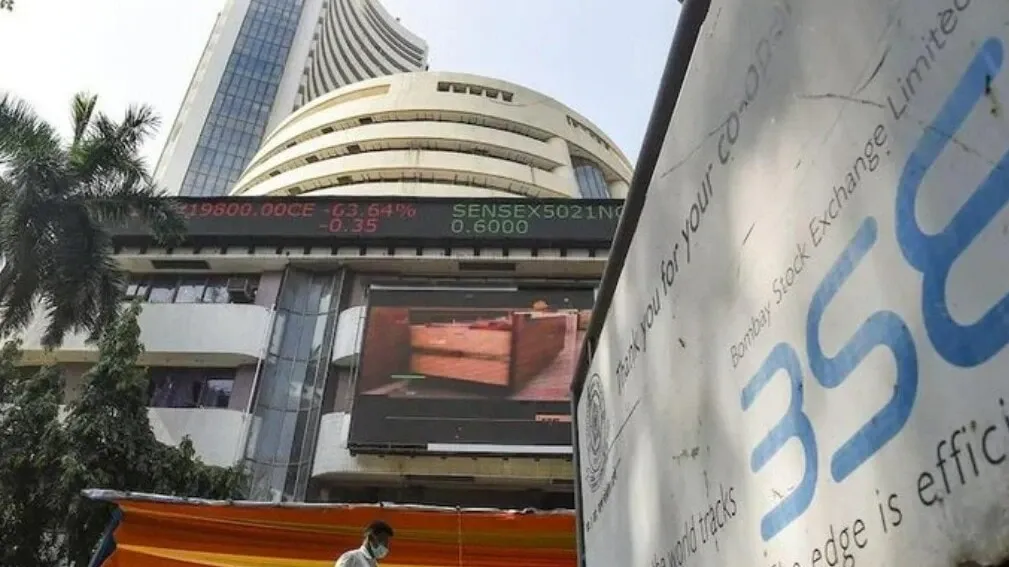
India has reclaimed its position as the world's fifth-largest stock market by market capitalization, surpassing Taiwan and South Korea after both experienced sharp corrections driven by profit booking in AI and semiconductor stocks. India's market capitalization rose about 2.75% in June to approximately $5.05 trillion, supported by easing crude oil prices, improved valuations, and steady foreign investor inflows. Meanwhile, Taiwan and South Korea's market caps declined 2.3% and 4.7%, respectively. The US, China, Japan, and Hong Kong remain the top four markets globally.
First-hand measurement across 5 sources
We measured how 5 outlets covered this story. Coverage leans balanced overall (Left 0%, Centre 100%, Right 0%). Overall sentiment is positive (70/100). Lens Score 29/100 — low public interest.
Outlets analysed (first-hand measurement by TBN's Bias Engine):
- news18— balanced framing, positive sentiment
- freepressjournal— balanced framing, positive sentiment
- zeenews— balanced framing, positive sentiment
- moneycontrol— balanced framing, positive sentiment
- indiatoday— balanced framing, neutral sentiment
AI Analysis
The article group presents a largely economic and market-focused perspective without explicit political framing. Coverage emphasizes India's market performance relative to Asian peers, highlighting factors like crude oil prices and foreign investment. There is no evident partisan bias; sources focus on financial data and analyst views, representing both domestic resilience and external market influences fairly.
The overall sentiment across the articles is cautiously positive, reflecting India's market gains and resilience amid regional selloffs. While acknowledging declines in Taiwan and South Korea, the tone remains neutral and factual, avoiding sensationalism. The coverage balances optimism about India's position with recognition of broader market volatility and uncertainties.
How 5 sources covered this story
Each source's own headline, political lean, and sentiment — so you can see framing differences at a glance.