19 hours agoBusiness
22LENS
2 SourcesKirkcaldy, United Kingdom
 thebalanced.news
Reassessing Adam Smith's Economic Philosophy and the Meaning of the Invisible Hand
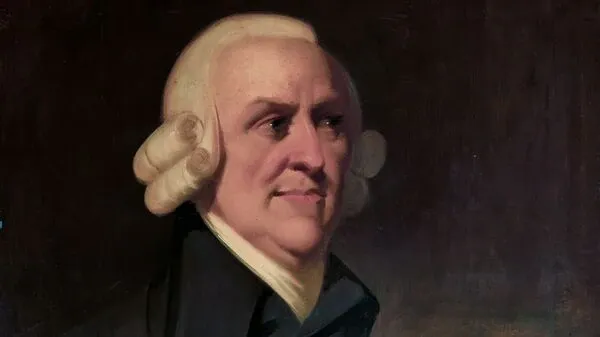
Adam Smith's 1776 work, 'The Wealth of Nations,' is often misinterpreted as endorsing selfishness and market fundamentalism, particularly through the misunderstood concept of the 'invisible hand,' which he mentioned sparingly and not as a symbol of price mechanism magic. Smith's broader philosophy, including his earlier 'Theory of Moral Sentiments,' emphasizes moral considerations, public education, and the role of the state in economic fairness, highlighting a nuanced view beyond laissez-faire capitalism.
Political Bias
15%80%5%
Sentiment
70%
Related Coverage
Select a news story to see related coverage from other media outlets.