India Lifts Restrictions on Retail Sale of Petrol and Diesel to Commercial Buyers from July 1
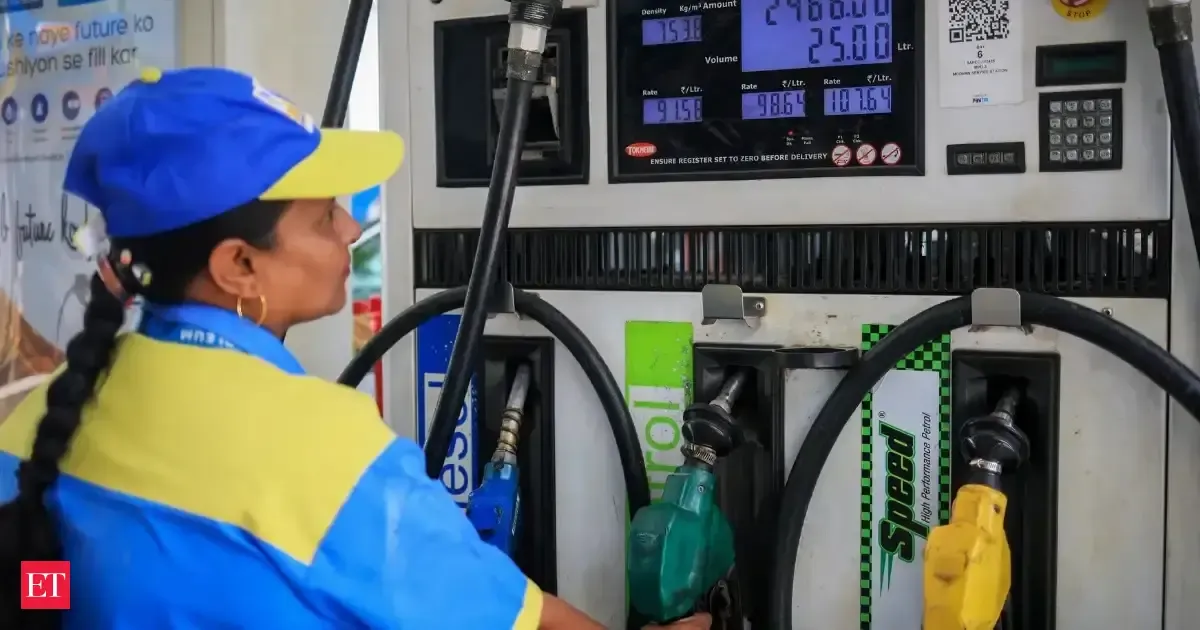
India will lift temporary restrictions on the retail sale of petrol and diesel to commercial, industrial, and institutional buyers from July 1, ending emergency measures imposed on June 12 amid global supply disruptions caused by the West Asia conflict. The curbs, including a 200-litre daily diesel cap per vehicle, aimed to prevent hoarding, diversion, and black marketing due to a significant price gap between retail and bulk fuel. The government cited improved supply conditions and restored normal distribution as reasons for withdrawing these measures.
First-hand measurement across 15 sources
We measured how 15 outlets covered this story. Coverage leans balanced overall (Left 7%, Centre 87%, Right 6%). Overall sentiment is neutral (61/100). Lens Score 29/100 — low public interest.
Outlets analysed (first-hand measurement by TBN's Bias Engine):
- thetelegraph— balanced framing, neutral sentiment
- thestatesman— balanced framing, neutral sentiment
- httpswwwoutlookindiacom— balanced framing, neutral sentiment
- zeenews— balanced framing, neutral sentiment
- mint— balanced framing, neutral sentiment
- thefinancialexpress— balanced framing, neutral sentiment
- english— balanced framing, neutral sentiment
- news18— balanced framing, neutral sentiment
AI Analysis
The article group presents a largely neutral government perspective focused on policy decisions responding to global supply disruptions. Coverage includes official statements explaining the rationale behind imposing and lifting restrictions, emphasizing supply stabilization and consumer protection. There is minimal presence of opposition or critical viewpoints, with most sources framing the story as a technical adjustment to fuel distribution amid geopolitical tensions.
The overall tone across the articles is neutral to mildly positive, reflecting relief over the easing of fuel supply constraints. The coverage highlights the government's efforts to maintain fuel availability and equitable distribution during a crisis, and the subsequent improvement in conditions. There is little emotive language, with emphasis on factual reporting of policy changes and supply status.