Skip to content
Get the Balanced News app for a better experience!
The Balanced News Logo
Analytics
The Balanced News Logo

Stay Balanced, Stay Informed

Menu
  • Browse News
  • Underreported Stories
  • Curated Feeds
  • Insights
  • Analytics
  • Our Writers
  • About Us
  • Download App
Learn
  • How It Works
  • Bias Detection
  • Lens Score
  • Source Bias Checker
  • Accountability
  • Custom Feeds
Newsroom
  • Writers & Analysts
  • About TBN
  • Editorial Standards
  • Corrections Policy
  • Our Partners
  • Insights
Socials
  • Youtube
  • Instagram
  • X
  • Facebook
News Categories
  • Trending
  • Politics
  • Sports
  • Business
  • Tech
  • Entertainment
  • Health
  • Science
  • Crime
  • Lifestyle
  • National
  • International
  • Good News
  • Crypto

Get Our App

Available for iOS and Android


LensFeedsInsightsAnalyticsTrendingGood NewsSportsPoliticsBusinessCrimeTechEntertainmentHealthNationalInternational

© 2026 The Balanced News. All rights reserved.

About UsEditorial StandardsCorrectionsHelp & SupportPrivacy PolicyTerms & Conditions
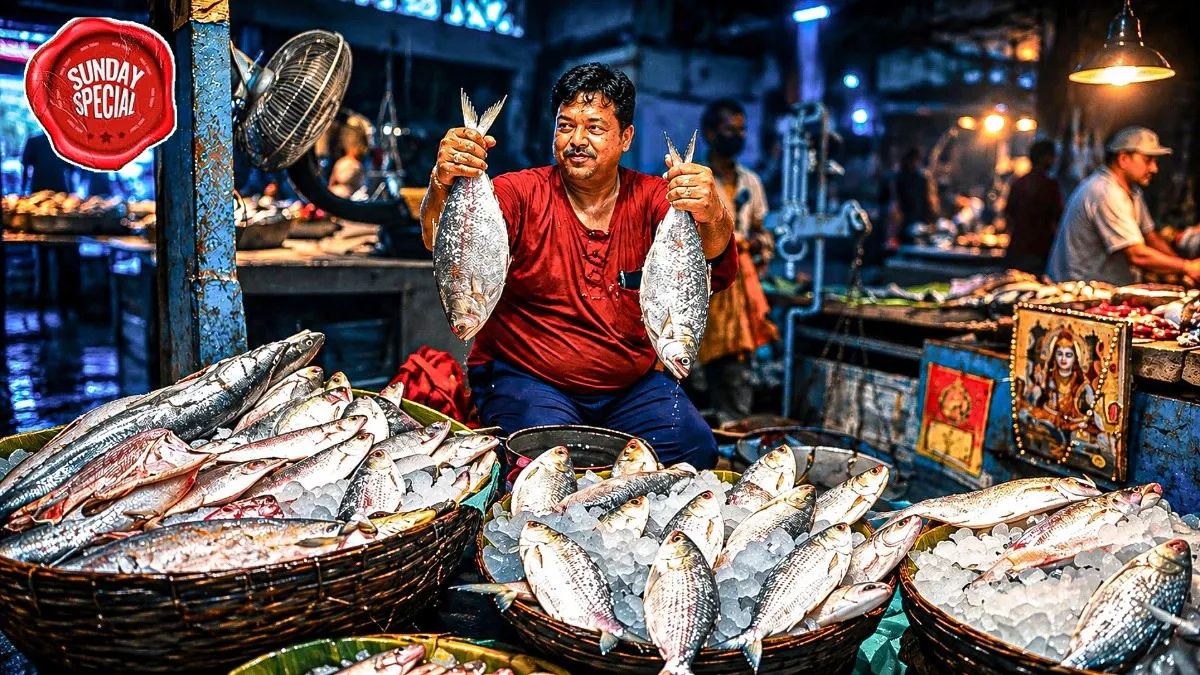
Environmental Changes Shift Hilsa Breeding Grounds From Bengal to Gujarat
Categories

Categories

Related Coverage

Select a news story to see related coverage from other media outlets.

Related Coverage

Select a news story to see related coverage from other media outlets.

  1. Home
  2. /
  3. Business

Environmental Changes Shift Hilsa Breeding Grounds From Bengal to Gujarat

Analysed 20 Sept 2026·2 sources analysed·Kolkata, India·Business
Environmental Changes Shift Hilsa Breeding Grounds From Bengal to GujaratPreviousNext

Hilsa, a culturally significant fish prized in Bengal, is traditionally sourced from Bangladesh's Padma and Meghna rivers. Despite Bangladesh exporting hilsa to India, it is also importing large quantities from Gujarat due to shifting breeding grounds. Environmental changes, including river construction, pollution, and climate factors, have altered hilsa migration, leading to increased production in Gujarat's Narmada river. Gujarat's hilsa catch reached a record 14,587 metric tonnes in 2025-26, reflecting this ecological shift and impacting regional hilsa trade dynamics.

Sentiment
57%
TBN's observations

First-hand measurement across 2 sources

We measured how 2 outlets covered this story. No outlet gave this story a measurable political slant — there is no left–right reading to report. Overall sentiment is neutral (57/100). Lens Score 37/100.

Outlets measured: indiatoday, ndtv. See how each one headlined and framed the same story in the source comparison below.

AI analysis of 2 sources · Published under editorial oversight by The Balanced News
Analysed 20 Sept 2026· How this analysis is produced· Editorial standards· Corrections

AI Analysis

Sentiment — Neutral (57/100)

Sentiment was consistent across outlets (52–62/100), indicating broadly factual reporting rather than editorialising.

Coverage timeline

ndtv broke this story on 19 Sept, 05:28 pm. Other outlets followed.

19 Sept, 05:28 pm2 sources · 8 h20 Sept, 01:35 am
  1. 1
AI analysis by the TBN Bias Engine · beat methodology byMrunal Wange· Business & Economy Editor· editorial standards byOjas Kale
← Previous
Banks and NBFCs Show Divergent Trends Amid Brokerages' Positive Stock Outlooks
Next →
Five Large-Cap AI Stocks Identified with Potential Upside of Up to 33%
ndtv19 Sept, 05:28 pm
Why Hilsa Breeding Grounds Are Shifting From Bengal To Gujarat
  • 2
    indiatoday20 Sept, 01:35 am
    Why hilsa-exporter Bangladesh is importing the fish from Gujarat
  • Who's involved

    Institutions and figures named across source coverage.

    Government
    Gujarat Fisheries Industry Commissioner Office

    Story context

    Category
    Business
    Location
    Kolkata, India
    Sources analysed
    2
    Last analysed
    20 Sept 2026
    Key entities
    IlishFishTonneKolkataGujaratWest BengalIndiaBangladeshHowrahFresh waterBharuchBengal