DERC Approves Higher Monthly Fuel Surcharge, Raising Delhi Electricity Bills for High Consumers
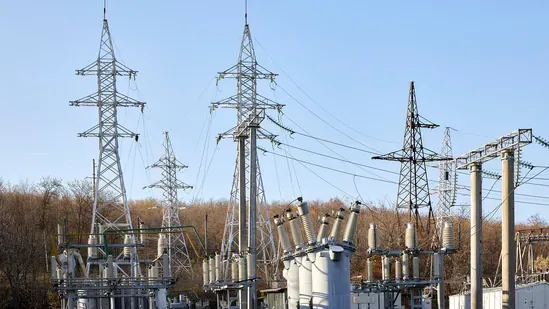
The Delhi Electricity Regulatory Commission (DERC) has approved an increase in the Fuel and Power Purchase Adjustment Surcharge (FPPAS), allowing power distribution companies to recover higher electricity procurement costs monthly starting April 2026. This change will mainly affect consumers using over 500 units and those not covered by Delhi's subsidy scheme, with estimated bill increases ranging from 1 to 5.7 percent depending on the distributor. Subsidized consumers are largely shielded from the surcharge hike, which responds to rising fuel prices and global market uncertainties.
First-hand measurement across 9 sources
We measured how 9 outlets covered this story. Coverage leans balanced overall (Left 12%, Centre 83%, Right 5%). Overall sentiment is neutral (39/100). Lens Score 35/100 — moderate-to-low public interest.
Outlets analysed (first-hand measurement by TBN's Bias Engine):
- zeenews— balanced framing, neutral sentiment
- swarajyamag— balanced framing, neutral sentiment
- republicworld— balanced framing, neutral sentiment
- news18— balanced framing, negative sentiment
- indiatoday— balanced framing, neutral sentiment
- timesnow— balanced framing, neutral sentiment
- hindustantimes— balanced framing, neutral sentiment
- thetribune— balanced framing, negative sentiment
AI Analysis
The article group presents perspectives primarily from regulatory authorities and power distributors explaining the surcharge increase due to rising fuel costs. Consumer viewpoints, including those expressing dissatisfaction, appear mainly in regional contexts like Himachal Pradesh. Opposition political criticism is noted in some sources, but overall coverage focuses on factual regulatory decisions and their financial impact without partisan framing.
The overall tone across the articles is neutral to mildly negative, reflecting consumer concerns about rising electricity costs while emphasizing regulatory justifications. Coverage balances the financial burden on consumers with reassurances that subsidized households will not be affected. Some articles highlight political criticism and consumer frustration, but the predominant sentiment is informative and explanatory rather than emotive.