DERC Approves Higher Surcharge to Recover Rising Electricity Costs in Delhi
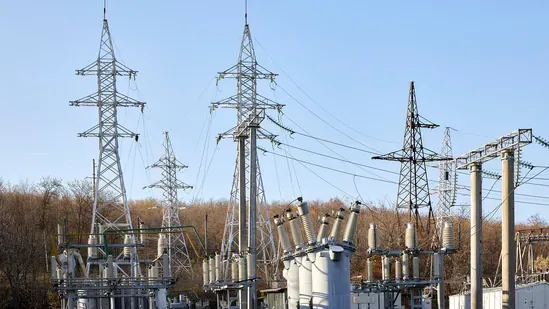
The Delhi Electricity Regulatory Commission (DERC) has approved an increase in the Fuel and Power Purchase Adjustment Surcharge (FPPAS) to help power distribution companies recover rising electricity procurement costs driven by higher global fuel prices and geopolitical tensions. This change, effective from June with bills reflecting in July, will mainly affect consumers using over 500 units and those not receiving government subsidies. Subsidized consumers are largely protected, as the subsidy is linked to units consumed rather than bill amounts. The surcharge will vary across Delhi's three major distributors, with BSES Yamuna and BSES Rajdhani consumers facing higher increases than Tata Power customers. Delhi's Power Minister Ashish Sood emphasized that the adjustment is a statutory mechanism and assured that the government aims to minimize the burden on consumers despite a 31% rise in power procurement costs.
First-hand measurement across 15 sources
We measured how 15 outlets covered this story. Coverage leans balanced overall (Left 12%, Centre 81%, Right 7%). Overall sentiment is neutral (46/100). Lens Score 35/100 — moderate-to-low public interest.
Outlets analysed (first-hand measurement by TBN's Bias Engine):
- thetribune— balanced framing, neutral sentiment
- hindustantimes— balanced framing, neutral sentiment
- thehindu— balanced framing, neutral sentiment
- indianexpress— balanced framing, neutral sentiment
- thetribune— balanced framing, neutral sentiment
- news18— balanced framing, neutral sentiment
- mint— balanced framing, negative sentiment
- ndtv— balanced framing, neutral sentiment
AI Analysis
The article group presents perspectives primarily from government officials and regulatory bodies, emphasizing the necessity of the surcharge hike due to global fuel price increases and geopolitical factors. The Delhi government’s assurances about protecting subsidized consumers are highlighted, reflecting an official stance aimed at balancing financial viability of discoms with consumer protection. Opposition or consumer advocacy viewpoints are not prominently featured, focusing coverage on regulatory and ministerial explanations.
The overall tone across the articles is neutral to mildly cautious, acknowledging the surcharge increase as a response to unavoidable cost pressures while emphasizing consumer protections for subsidized groups. The coverage balances the financial challenges faced by power distributors with reassurances from officials, resulting in a measured sentiment that neither sensationalizes the bill rise nor downplays its impact on higher-consuming, non-subsidized consumers.