India's Economic Growth Challenges Highlight Need for Strategic Policy Reforms
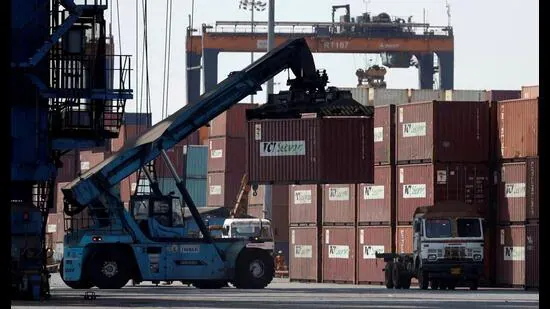
India's economic growth strategy faces calls for a shift from consumption-driven expansion to strengthening domestic manufacturing, innovation, and infrastructure. Challenges include a large trade deficit with China, complex export regulations, and underutilized scientific research. Education supply constraints and fertilizer subsidy distortions also impact productivity and sustainability. Geopolitical tensions and currency fluctuations add pressure, prompting debates on austerity and policy reforms to enhance competitiveness and long-term growth.
First-hand measurement across 8 sources
We measured how 8 outlets covered this story. Coverage leans balanced overall (Left 29%, Centre 63%, Right 8%). Overall sentiment is neutral (48/100). Lens Score 23/100 — low public interest.
Outlets analysed (first-hand measurement by TBN's Bias Engine):
- thefinancialexpress— balanced framing, positive sentiment
- thetribune— left-leaning framing, negative sentiment
- hindustantimes— balanced framing, neutral sentiment
- indianexpress— left-leaning framing, neutral sentiment
- indianexpress— balanced framing, neutral sentiment
- mint— balanced framing, neutral sentiment
- theprint— balanced framing, neutral sentiment
- thehindu— balanced framing, neutral sentiment
AI Analysis
The article group presents a range of perspectives emphasizing economic policy shifts without partisan framing. Sources discuss government initiatives, regulatory hurdles, and market dynamics, reflecting views from policy analysts, economists, and industry experts. The coverage includes critiques of current strategies and calls for reforms, representing both supportive and critical stances on government actions and economic priorities.
The overall tone is analytical and cautiously critical, focusing on structural challenges and policy shortcomings rather than celebratory or alarmist language. While acknowledging progress in areas like research and exports, the articles highlight persistent issues such as trade imbalances, regulatory complexity, and resource constraints. The sentiment is mixed, balancing recognition of achievements with concerns about needed reforms and external pressures.