EU Considers Temporary Freeze on Russian Oil Price Cap Amid Middle East Conflict
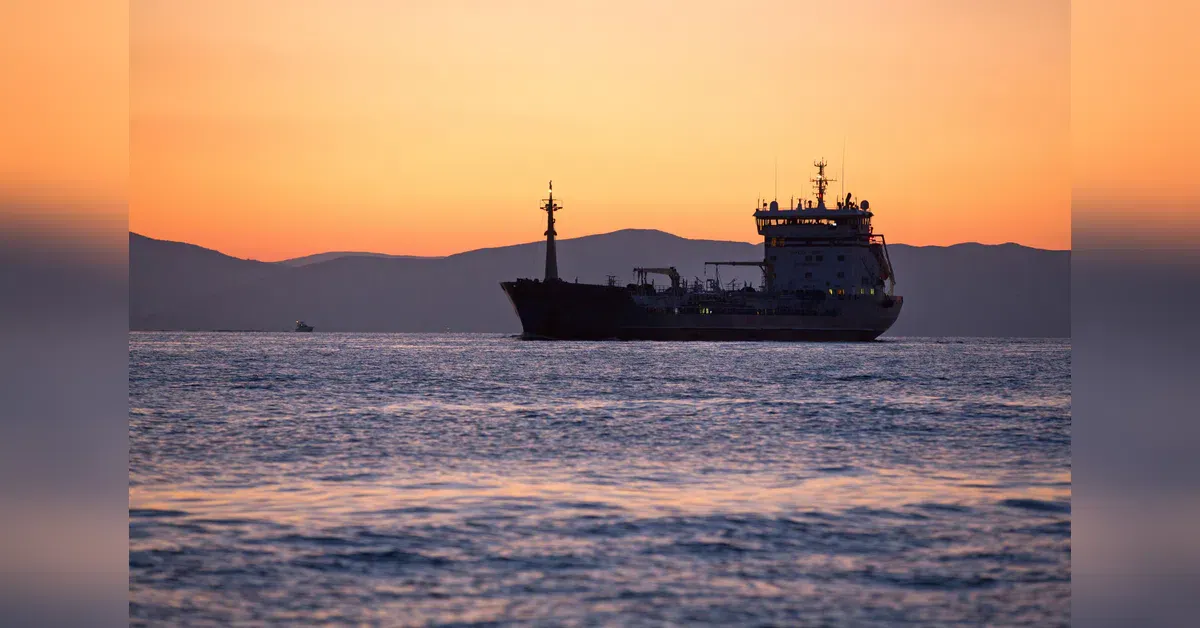
The European Union is considering a temporary freeze on its Russian oil price cap amid rising crude prices driven by the ongoing conflict in West Asia and the closure of the Strait of Hormuz. The current cap, set at $44.10 per barrel, is due for review in July and could increase to at least $65. Options include suspending automatic increases or capping the rise at $60, aligning with the Group of Seven. These measures are part of the EU's 21st sanctions package against Russia, expected to be finalized in early June, which may also target banks, oil traders, refineries, and vessels linked to Russia's oil trade.
First-hand measurement across 2 sources
We measured how 2 outlets covered this story. Coverage leans balanced overall (Left 10%, Centre 85%, Right 5%). Overall sentiment is neutral (40/100). Lens Score 38/100 — moderate-to-low public interest.
Outlets analysed (first-hand measurement by TBN's Bias Engine):
- businessstandard— balanced framing, neutral sentiment
- theprint— balanced framing, neutral sentiment
AI Analysis
The articles present the EU's deliberations on sanctions against Russia in a factual manner, reflecting perspectives from EU officials and anonymous sources involved in policy discussions. They highlight the EU's strategic balancing between maintaining sanctions pressure and responding to geopolitical developments in West Asia. The coverage includes the EU's internal debates without favoring any political stance, representing both the enforcement of sanctions and the practical challenges faced.
The tone across the articles is neutral and informative, focusing on policy considerations and geopolitical factors influencing oil prices. There is no evident positive or negative sentiment toward the EU's actions or Russia; instead, the coverage emphasizes the complexity of sanction adjustments amid external conflicts and economic impacts, maintaining an objective and measured narrative.