Government Ratifies 8.25% EPF Interest Rate for FY26; Credit Expected This Month
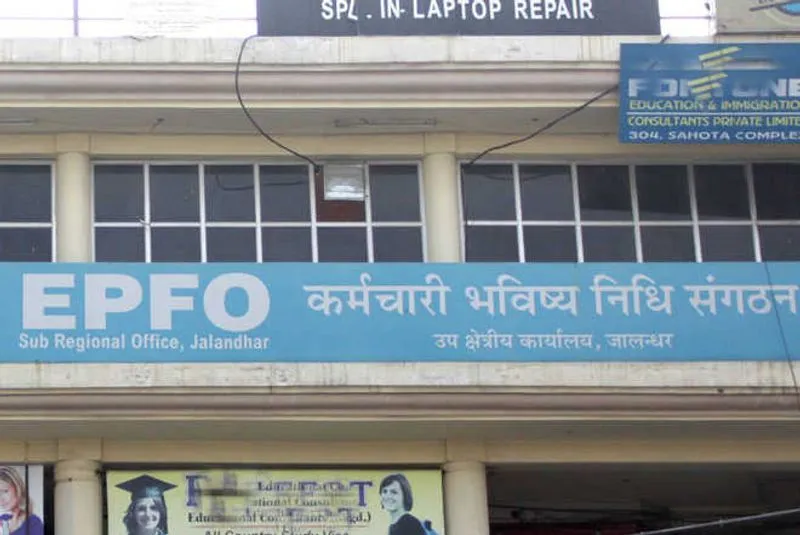
The government has ratified an 8.25 per cent interest rate on Employees' Provident Fund (EPF) deposits for the financial year 2025-26, marking the third consecutive year at this rate. The Central Board of Trustees (CBT), chaired by Union Labour Minister Mansukh Mandaviya, recommended this rate in March 2026. Following approval by the finance ministry, the interest is expected to be credited to over seven crore EPF subscribers' accounts this month. A new digital system developed by EPFO aims to expedite the crediting process.
First-hand measurement across 6 sources
We measured how 6 outlets covered this story. Coverage leans balanced overall (Left 2%, Centre 96%, Right 2%). Overall sentiment is positive (67/100). Lens Score 33/100 — low public interest.
Outlets analysed (first-hand measurement by TBN's Bias Engine):
- freepressjournal— balanced framing, positive sentiment
- businessstandard— balanced framing, neutral sentiment
- thehindu— balanced framing, neutral sentiment
- economictimes— balanced framing, neutral sentiment
- thetribune— balanced framing, neutral sentiment
- news18— balanced framing, neutral sentiment
AI Analysis
The article group presents a largely uniform government-centric perspective, focusing on official decisions by the Central Board of Trustees and finance ministry approvals. Coverage emphasizes administrative processes and benefits to subscribers without critical analysis or opposition viewpoints. The framing is factual and procedural, reflecting mainstream institutional sources without partisan commentary.
The overall tone across the articles is neutral to mildly positive, highlighting the stability of the EPF interest rate and the expected timely crediting to subscribers. The coverage underscores procedural efficiency and subscriber benefits, with no significant negative or controversial sentiment expressed. The sentiment reflects reassurance and continuity for EPF members.
How 6 sources covered this story
Each source's own headline, political lean, and sentiment — so you can see framing differences at a glance.