2 hours agoBusiness
31LENS
7 SourcesSydney, Australia
 thebalanced.news
Global Air Travel Faces Disruptions and Rising Costs Amid Middle East Conflict
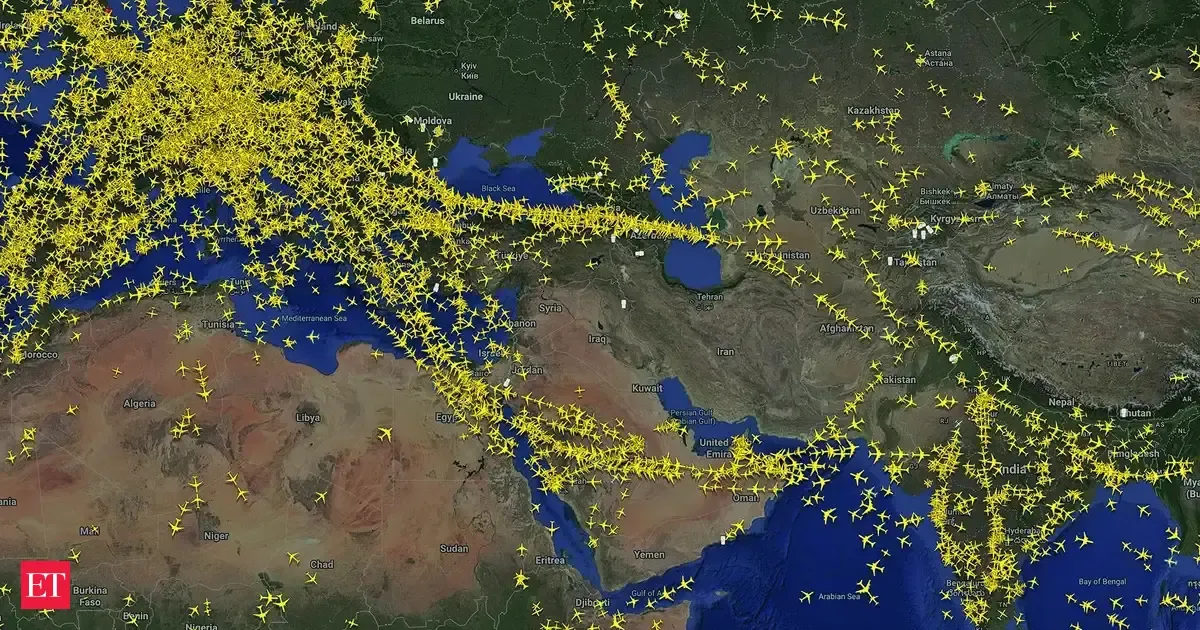
The ongoing conflict involving the US, Israel, and Iran has significantly disrupted global air travel, leading to restricted flight corridors, especially over West Asia, and causing airlines to reroute flights through limited paths like Azerbaijan, Georgia, and Turkey. This has increased flight durations and fuel costs, with jet fuel prices nearly doubling due to supply disruptions, notably affecting regions like Africa. Airlines face higher operating expenses and reduced capacity, prompting fare hikes and schedule adjustments. Despite these challenges, some carriers, including major US airlines, report strong demand and are managing costs through strategic capacity cuts and financial resilience. Travelers face fewer options and higher prices, with some considering alternative routes amid ongoing geopolitical uncertainty.
Political Bias
3%96%1%
Sentiment
44%
21 stories available
View AI Analysis
Bias Analysis: The article group presents multiple perspectives, including airline executives emphasizing operational challenges and financial strategies, regional impacts on Africa, and geopolitical factors involving the US, Israel, and Iran. Coverage includes official statements and industry analyses without endorsing any political stance, focusing on the conflict's effects on aviation and energy markets rather than political judgments.
Sentiment: The overall tone is mixed, combining concern over increased costs, restricted routes, and operational difficulties with cautious optimism from airlines reporting strong demand and financial preparedness. The coverage balances the negative impact on travelers and airlines with the resilience and adaptive measures taken by carriers, avoiding sensationalism while acknowledging ongoing uncertainties.
Lens Score: 31/100 — Story is well-covered by media outlets. Public interest: 0/100. Coverage gap: 100%.
Related Coverage
Select a news story to see related coverage from other media outlets.