India-UK Trade Deal Lowers Whisky Tariffs Amid Growing Domestic Spirits Market
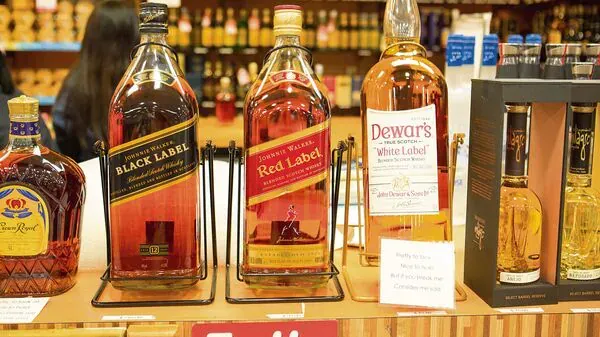
The India-UK free trade agreement, effective July 2026, reduces import duties on Scotch whisky and gin, lowering tariffs from 150% to 75% initially and further to 40% over ten years. This is expected to make premium imported spirits more accessible, though price reductions may take time due to state taxes. Indian whisky makers face increased competition, especially in the growing premium segment. Meanwhile, domestic companies like Modi Illva are expanding into flavoured vodkas and premium spirits to meet evolving consumer preferences beyond whisky.
First-hand measurement across 4 sources
We measured how 4 outlets covered this story. Coverage leans balanced overall (Left 7%, Centre 88%, Right 5%). Overall sentiment is positive (68/100). Lens Score 35/100 — moderate-to-low public interest.
Outlets analysed (first-hand measurement by TBN's Bias Engine):
- mint— balanced framing, positive sentiment
- economictimes— balanced framing, neutral sentiment
- mint— balanced framing, neutral sentiment
- firstpost— balanced framing, positive sentiment
AI Analysis
The articles present a range of perspectives including government trade policy impacts, industry responses, and consumer trends without partisan framing. They highlight both opportunities from tariff reductions and challenges for domestic producers, reflecting economic and business viewpoints. The coverage includes official trade details and company strategies, maintaining a neutral stance on policy implications.
The overall tone is mixed but largely neutral, balancing positive aspects like increased market access and premiumisation with concerns about competition for local producers. The sentiment acknowledges potential benefits for consumers and businesses while noting delays in price adjustments and industry challenges, providing a measured view of the trade deal's effects.
How 4 sources covered this story
Each source's own headline, political lean, and sentiment — so you can see framing differences at a glance.