Zurich Report Highlights Climate Risks to India’s 267 GW Renewable Energy Pipeline
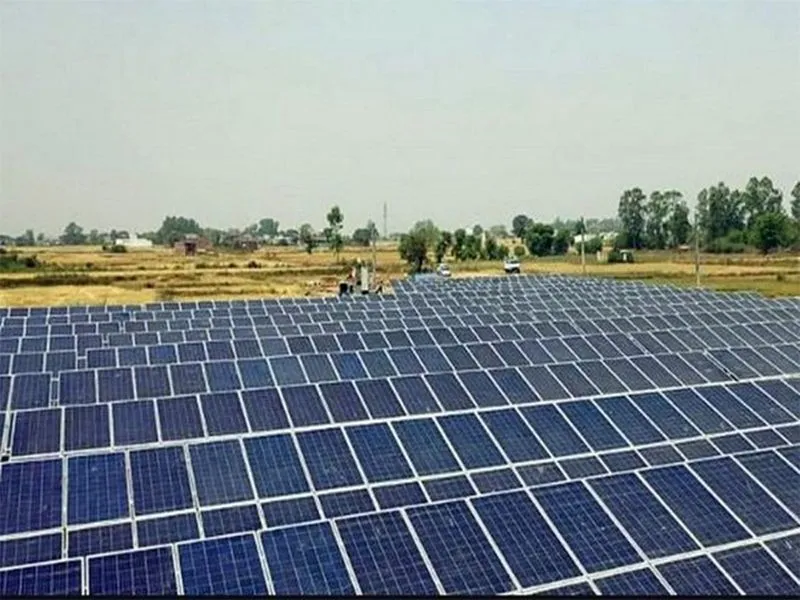
A Zurich Group report highlights that 90% of India's planned renewable energy sites, totaling about 267 GW across ten states, face high or critical climate risks by 2030. Solar projects dominate the pipeline, with Rajasthan, Gujarat, and Arunachal Pradesh identified as the most vulnerable states due to extreme temperatures, complex hazards, and hydropower risks. The report recommends mandatory climate risk screening, stress-testing, and resilience investments to protect assets and support India's renewable goals.
First-hand measurement across 2 sources
We measured how 2 outlets covered this story. Coverage leans balanced overall (Left 0%, Centre 100%, Right 0%). Overall sentiment is neutral (52/100). Lens Score 30/100 — low public interest.
Outlets analysed (first-hand measurement by TBN's Bias Engine):
- thetribune— balanced framing, neutral sentiment
- thetribune— balanced framing, neutral sentiment
AI Analysis
The articles present a technical and policy-focused perspective emphasizing climate risk management for India's renewable energy sector. They reflect a consensus on the importance of resilience without partisan framing, focusing on government and industry responsibilities. The coverage includes regional risk variations and investment recommendations, representing environmental and economic viewpoints without political polarization.
The overall tone is cautionary yet constructive, stressing significant climate risks while encouraging proactive measures. The sentiment balances concern over vulnerabilities with optimism about feasible resilience investments. There is no sensationalism; instead, the coverage promotes informed action and risk mitigation to support renewable energy development.
How 2 sources covered this story
Each source's own headline, political lean, and sentiment — so you can see framing differences at a glance.