India's Agricultural Progress: Balancing Productivity, Income, and Crop Sustainability
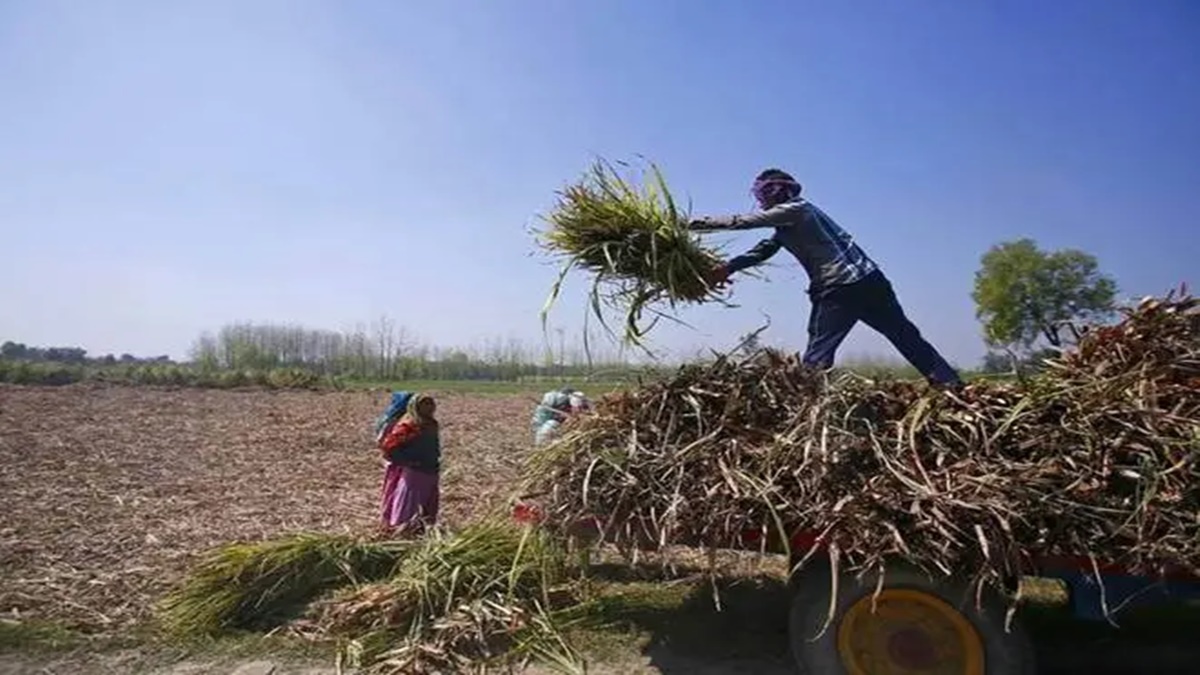
India's agricultural progress involves more than increased foodgrain productivity; farmers' incomes depend on prices, cultivation costs, yields, and procurement certainty. While states like Punjab and Haryana rely on paddy for income despite ecological costs, millets offer nutritional and environmental benefits with lower resource needs. However, challenges remain in developing value chains and market ecosystems to make millets a profitable and sustainable choice for farmers, highlighting the need for balanced agricultural policies beyond production metrics.
First-hand measurement across 2 sources
We measured how 2 outlets covered this story. Coverage leans balanced overall (Left 10%, Centre 85%, Right 5%). Overall sentiment is neutral (65/100). Lens Score 26/100 — low public interest.
Outlets analysed (first-hand measurement by TBN's Bias Engine):
- thefinancialexpress— balanced framing, positive sentiment
- thefinancialexpress— balanced framing, neutral sentiment
AI Analysis
The articles present a policy-focused perspective emphasizing agricultural economics and sustainability without partisan framing. They highlight government roles in promoting crops like millets and critique existing reliance on paddy due to ecological concerns. The coverage reflects expert analysis from research institutions, representing both economic and environmental viewpoints without aligning with specific political ideologies.
The tone across the articles is analytical and cautiously optimistic, recognizing improvements in productivity and the potential of millets while acknowledging ongoing challenges. The sentiment balances appreciation for progress with concern over ecological impacts and market readiness, resulting in a measured, constructive outlook rather than overtly positive or negative sentiment.