Super El Niño Expected to Increase India's Power Demand and Coal Use Amid Generation Shortfall
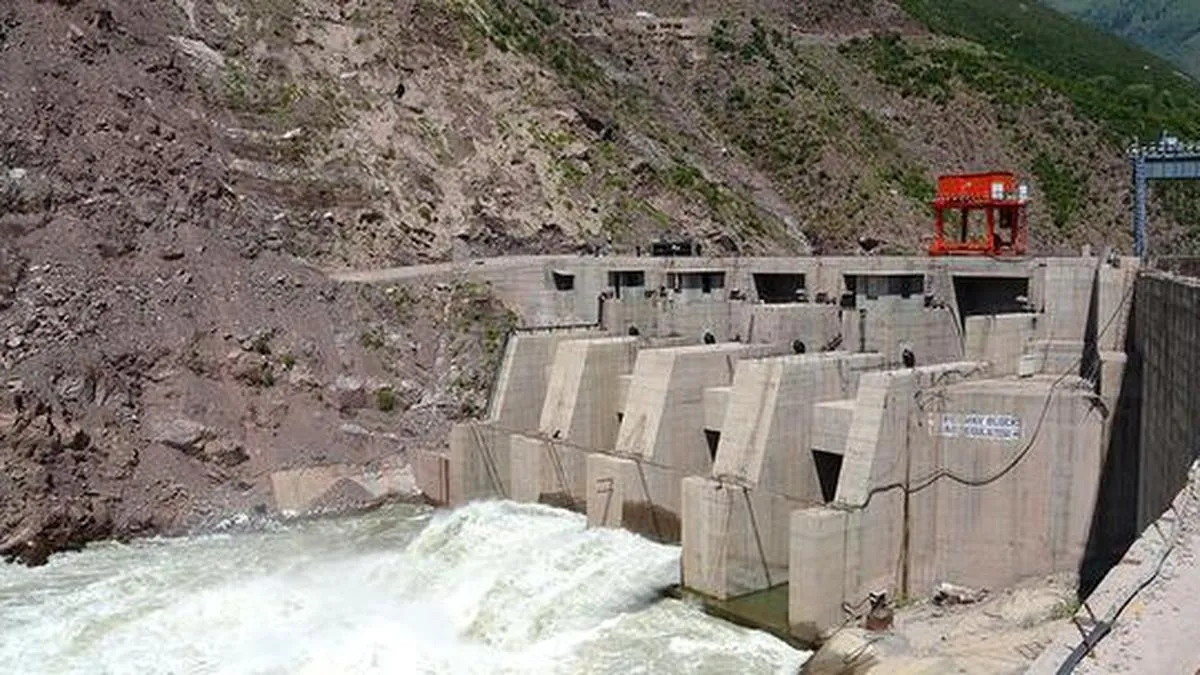
A super El Niño event is expected to strain India's power system by reducing wind and hydropower generation while increasing electricity demand for cooling, potentially creating a generation gap of nearly 18 terawatt-hours over the next year. This shortfall may lead to increased coal-fired power generation, raising carbon emissions. Experts emphasize the need to accelerate solar capacity, battery storage, and grid upgrades to enhance resilience and meet rising demand amid climate challenges.
First-hand measurement across 10 sources
We measured how 10 outlets covered this story. Coverage leans balanced overall (Left 8%, Centre 89%, Right 3%). Overall sentiment is neutral (42/100). Lens Score 28/100 — low public interest.
Outlets analysed (first-hand measurement by TBN's Bias Engine):
- businessstandard— balanced framing, neutral sentiment
- mint— balanced framing, neutral sentiment
- thehindu— balanced framing, neutral sentiment
- thefinancialexpress— balanced framing, neutral sentiment
- thetribune— balanced framing, neutral sentiment
- thetelegraph— balanced framing, neutral sentiment
- economictimes— balanced framing, neutral sentiment
- thetribune— balanced framing, neutral sentiment
AI Analysis
The article group presents perspectives primarily from energy analysts and government officials, focusing on technical and environmental impacts without partisan framing. The coverage highlights challenges and policy targets related to renewable energy expansion and coal dependency, reflecting a consensus on the need for clean energy investments while acknowledging current reliance on fossil fuels. No overt political bias or ideological positioning is evident.
The overall tone is cautionary and analytical, emphasizing risks posed by El Niño to India's power sector and environmental concerns from increased coal use. While the reports acknowledge progress in renewable energy capacity, the sentiment remains mixed due to the anticipated challenges in meeting demand and environmental goals. The coverage balances concern over potential negative impacts with recognition of ongoing efforts to enhance energy resilience.