South Korea's Kospi and Japan's Nikkei Fall Amid Semiconductor Stock Selloff
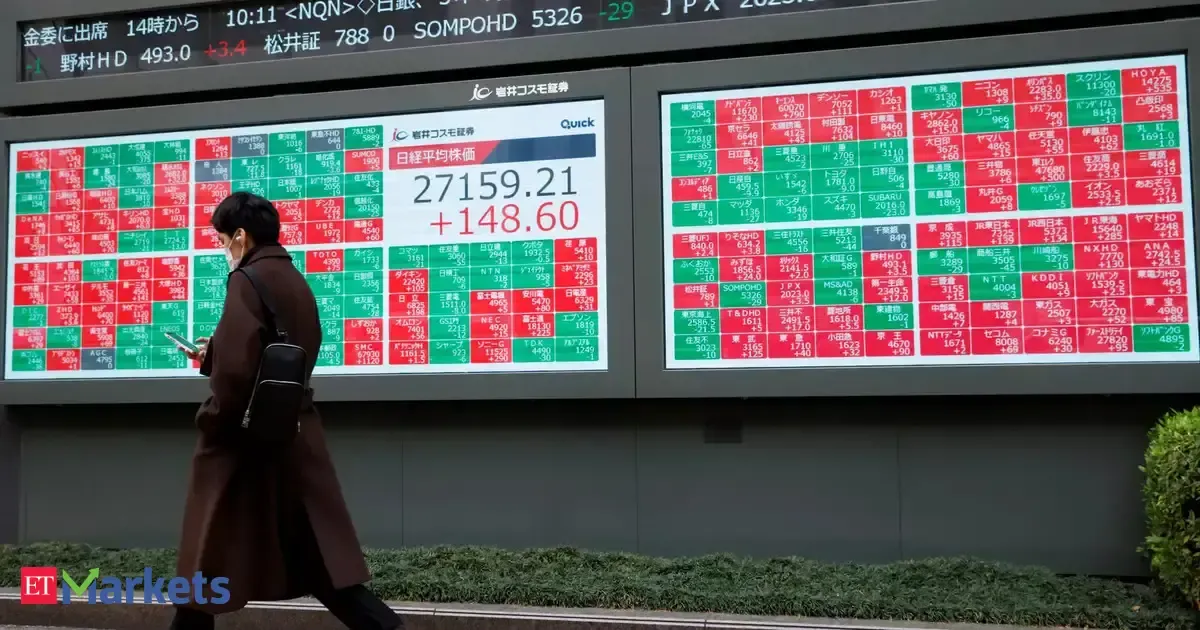
South Korea's Kospi index plunged over 6-8% amid a broad selloff in technology and semiconductor stocks, led by major chipmakers Samsung Electronics and SK Hynix. Despite Samsung's forecast of a 19-fold profit increase driven by AI demand, investors questioned the sustainability of valuations, prompting profit-taking. Japan's Nikkei also declined 1-2%, influenced by the regional tech slump, while value stocks and financial shares gained. The selloff extended across Asian markets amid concerns over AI-driven growth and geopolitical tensions.
First-hand measurement across 13 sources
We measured how 13 outlets covered this story. Coverage leans balanced overall (Left 0%, Centre 100%, Right 0%). Overall sentiment is neutral (42/100). Lens Score 35/100 — moderate-to-low public interest.
Outlets analysed (first-hand measurement by TBN's Bias Engine):
- mint— balanced framing, neutral sentiment
- firstpost— balanced framing, neutral sentiment
- economictimes— balanced framing, neutral sentiment
- economictimes— balanced framing, neutral sentiment
- indiatoday— balanced framing, neutral sentiment
- freepressjournal— balanced framing, negative sentiment
- economictimes— balanced framing, neutral sentiment
- economictimes— balanced framing, neutral sentiment
AI Analysis
The article group presents a predominantly economic and market-focused perspective without explicit political framing. Coverage includes viewpoints from market strategists, investors, and company forecasts, reflecting concerns about AI-driven valuations and regional market interdependencies. There is no evident partisan bias; sources emphasize financial data and investor sentiment across multiple Asian markets.
The overall tone is cautious and negative regarding market performance, highlighting significant declines in key indices and chip stocks. While acknowledging strong earnings reports, the sentiment reflects investor skepticism about sustaining AI-driven growth and valuations. The coverage balances reporting on profit forecasts with market reactions, resulting in a predominantly concerned but factual tone.