Skip to content
Get the Balanced News app for a better experience!
The Balanced News Logo
Analytics
The Balanced News Logo

Stay Balanced, Stay Informed

Menu
  • Browse News
  • Underreported Stories
  • Curated Feeds
  • Insights
  • Analytics
  • Our Writers
  • About Us
  • Download App
Learn
  • How It Works
  • Bias Detection
  • Lens Score
  • Source Bias Checker
  • Accountability
  • Custom Feeds
Newsroom
  • Writers & Analysts
  • About TBN
  • Editorial Standards
  • Corrections Policy
  • Our Partners
  • Insights
Socials
  • Youtube
  • Instagram
  • X
  • Facebook
News Categories
  • Trending
  • Politics
  • Sports
  • Business
  • Tech
  • Entertainment
  • Health
  • Science
  • Crime
  • Lifestyle
  • National
  • International
  • Good News
  • Crypto

Get Our App

Available for iOS and Android


LensFeedsInsightsAnalyticsTrendingGood NewsSportsPoliticsBusinessCrimeTechEntertainmentHealthNationalInternational

© 2026 The Balanced News. All rights reserved.

About UsEditorial StandardsCorrectionsHelp & SupportPrivacy PolicyTerms & Conditions
Experts Discuss India's Currency Hedging and Global Shift to Higher Interest Rates
Categories

Categories

Related Coverage

Select a news story to see related coverage from other media outlets.

Related Coverage

Select a news story to see related coverage from other media outlets.

  1. Home
  2. /
  3. Business

Experts Discuss India's Currency Hedging and Global Shift to Higher Interest Rates

Analysed 4 Oct 2026·2 sources analysed·Landau, Germany·Business
Experts Discuss India's Currency Hedging and Global Shift to Higher Interest RatesPreviousNext

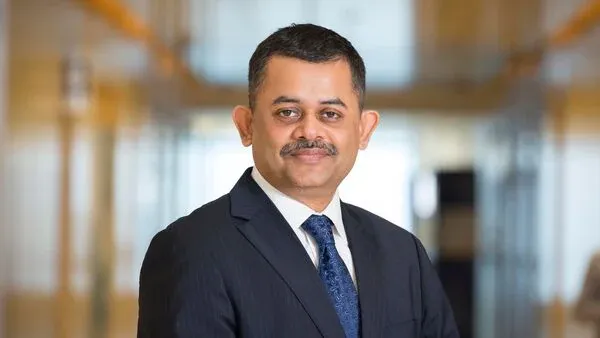
Neelkanth Mishra of the World Bank highlighted that India's Foreign Currency Non-Resident (Bank) scheme has extended short-term currency hedges, providing about one to two years to manage external volatility amid rising global oil prices. Elevated energy costs could significantly impact India's external balance. Separately, French economist Jean-Pierre Landau noted that the era of low interest rates is ending due to declining global savings, increased investment needs, and high public debt, suggesting structurally higher real interest rates ahead worldwide.

Sentiment
50%
TBN's observations

First-hand measurement across 2 sources

We measured how 2 outlets covered this story. No outlet gave this story a measurable political slant — there is no left–right reading to report. Overall sentiment is neutral (50/100). Lens Score 46/100.

Outlets measured: mint, mint. See how each one headlined and framed the same story in the source comparison below.

AI analysis of 2 sources · Published under editorial oversight by The Balanced News
Analysed 4 Oct 2026· How this analysis is produced· Editorial standards· Corrections

AI Analysis

Sentiment — Neutral (50/100)

Sentiment was consistent across outlets (48–52/100), indicating broadly factual reporting rather than editorialising.

Coverage timeline

mint broke this story on 4 Oct, 12:18 pm. Other outlets followed.

4 Oct, 12:18 pm2 sources · 48 min4 Oct, 01:06 pm
AI analysis by the TBN Bias Engine · beat methodology byMrunal Wange· Business & Economy Editor· editorial standards byOjas Kale
← Previous
AI Drives Record Share Sales in Asia and Sustains Tech Rally Amid Rising Yields
Next →
Honda Elevate Facelift Launch Set for October 6 with Design and Feature Updates
1
mint4 Oct, 12:18 pm
Easy money era is ending, interest rates to stay high: French economist Landau Mint
  • 2
    mint4 Oct, 01:06 pm
    FCNR has bought time; now let's transform how we finance our current account deficit: Neelkanth Mishra Today News
  • Who's involved

    Institutions and figures named across source coverage.

    Government
    Reserve Bank of IndiaEuropean Central BankIndian GovernmentUnited States Federal Reserve

    Story context

    Category
    Business
    Location
    Landau, Germany
    Sources analysed
    2
    Last analysed
    4 Oct 2026
    Key entities
    IndiaArtificial intelligenceWestern AsiaEmerging marketReserve Bank of IndiaUnited Press InternationalCurrent account (balance of payments)Price of oilHedge (finance)RupeeVolatility (finance)Currency