Jet Fuel Crack Spread May Surpass USD 50 in 2026, Potentially Raising Airfares by 25%
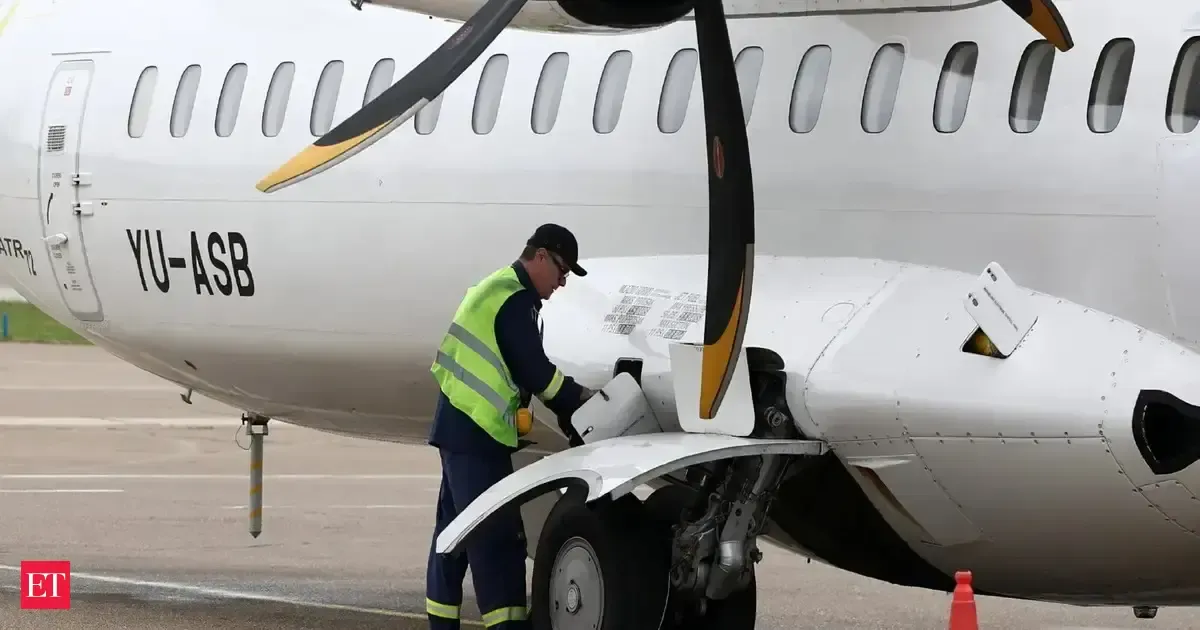
Geopolitical tensions and refinery constraints are reducing jet fuel supplies, leading to higher operational costs for airlines. A McKinsey report forecasts the jet fuel crack spread—the price difference between crude oil and refined fuel—could exceed USD 50 per barrel in 2026, more than doubling historical levels. This increase may push airfares up by as much as 25%. Supply challenges stem from reduced refinery output in Gulf and Asian exporters, with regional export restrictions adding to volatility amid rebuilding inventories.
First-hand measurement across 2 sources
We measured how 2 outlets covered this story. Coverage leans balanced overall (Left 0%, Centre 100%, Right 0%). Overall sentiment is neutral (35/100). Lens Score 25/100 — low public interest.
Outlets analysed (first-hand measurement by TBN's Bias Engine):
- economictimes— balanced framing, negative sentiment
- thetribune— balanced framing, neutral sentiment
AI Analysis
The articles primarily present an economic and industry-focused perspective based on a McKinsey report, without evident political framing. They highlight geopolitical tensions and regional export restrictions as factors affecting supply but do not assign blame or endorse specific policies. The coverage reflects a neutral stance emphasizing market and supply chain dynamics rather than political debate.
The tone across the articles is cautiously concerned, focusing on rising costs and supply challenges without sensationalism. The sentiment is largely neutral to slightly negative due to the anticipated increase in fuel prices and airfares, but it remains factual and measured, emphasizing volatility and uncertainty rather than alarm.
How 2 sources covered this story
Each source's own headline, political lean, and sentiment — so you can see framing differences at a glance.