McKinsey Report Warns Jet Fuel Supply Issues May Raise Airfares by Up to 25%
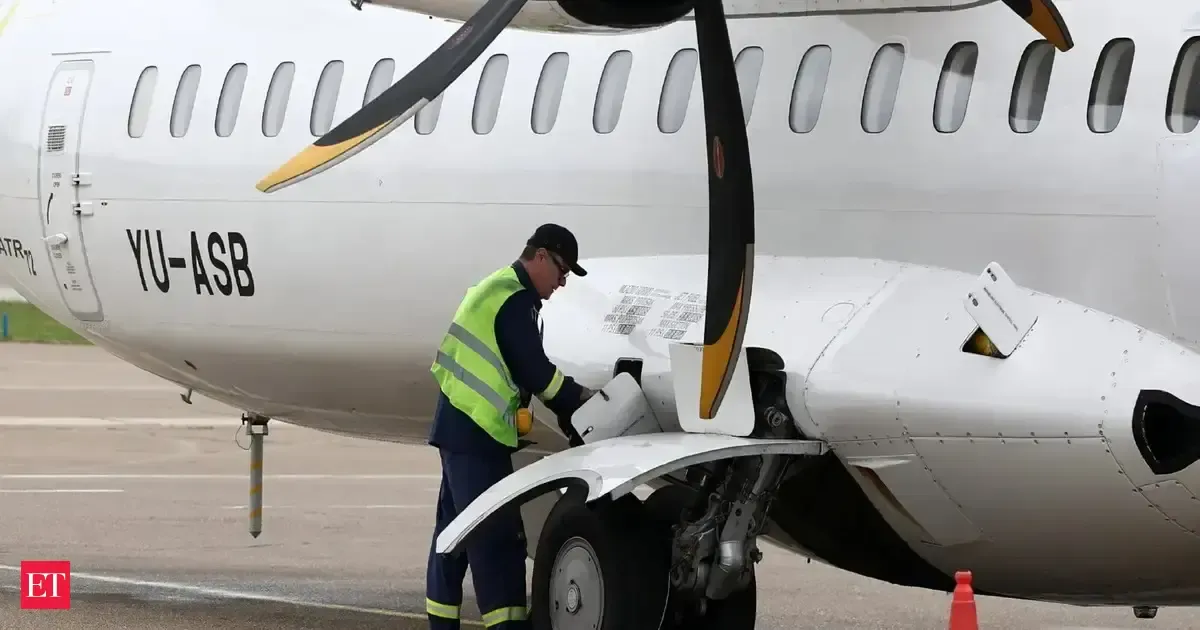
Geopolitical tensions and refinery constraints are tightening global jet fuel supply, leading to increased airline operating costs. A McKinsey report forecasts the jet fuel crack spread—the price difference between crude oil and refined jet fuel—may exceed $50 per barrel in 2026, more than doubling historical levels around $20. This supply-demand imbalance, amid depleted inventories and export restrictions in Asia, could raise airfares by 20-25%. Potential tanker traffic increases through the Strait of Hormuz may offer short-term relief, but price volatility is expected to continue as supply chains normalize.
First-hand measurement across 3 sources
We measured how 3 outlets covered this story. Coverage leans balanced overall (Left 0%, Centre 100%, Right 0%). Overall sentiment is negative (32/100). Lens Score 25/100 — low public interest.
Outlets analysed (first-hand measurement by TBN's Bias Engine):
- ndtv— balanced framing, negative sentiment
- economictimes— balanced framing, negative sentiment
- thetribune— balanced framing, neutral sentiment
AI Analysis
The article group primarily presents an economic and industry-focused perspective based on a McKinsey report, emphasizing supply chain and geopolitical factors without partisan framing. It includes viewpoints from industry analysts and references geopolitical tensions neutrally, without attributing blame or political motives. The coverage reflects a consensus on market dynamics and potential impacts on consumers, with no evident political bias.
The overall tone across the articles is cautionary and neutral, highlighting challenges in jet fuel supply and their economic consequences. While the forecasted rise in airfares may be viewed negatively by consumers, the reporting maintains an objective stance, focusing on factual projections and market conditions without sensationalism or emotive language.