Gita Gopinath Highlights Impact of Elevated Oil Prices on India's Growth and Policy Measures
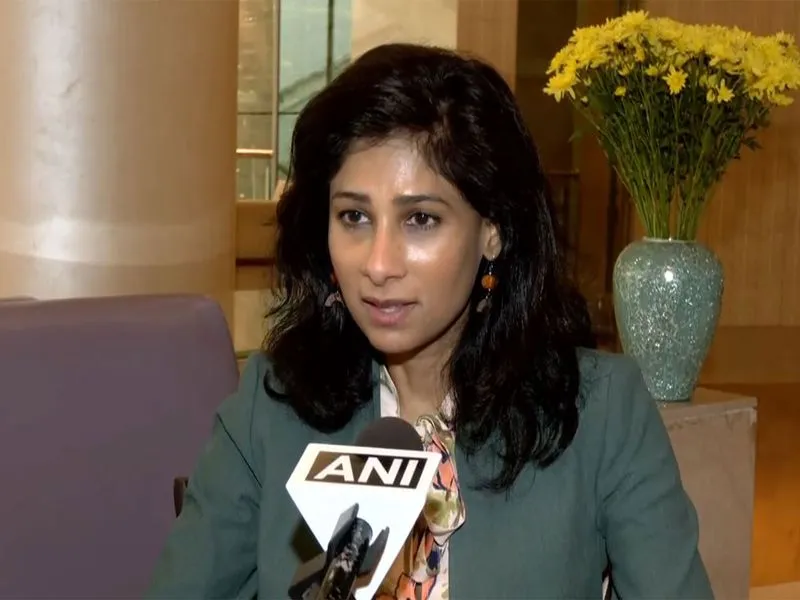
Former IMF Chief Economist Gita Gopinath warned that elevated oil prices could slow India's economic growth to around 6%, below the IMF's 6.5% forecast, with effects likely lasting into next year. She highlighted risks from prolonged West Asia tensions potentially raising oil prices further and impacting global growth. Gopinath emphasized supply-side reforms, renewable energy adoption, and improving ease of doing business, alongside promoting AI investment, to attract capital and support growth. The Indian government’s limited fuel price increases act as implicit subsidies, with targeted support suggested for vulnerable groups.
First-hand measurement across 3 sources
We measured how 3 outlets covered this story. Coverage leans balanced overall (Left 13%, Centre 81%, Right 6%). Overall sentiment is neutral (58/100). Lens Score 30/100 — low public interest.
Outlets analysed (first-hand measurement by TBN's Bias Engine):
- thetribune— balanced framing, neutral sentiment
- thetribune— balanced framing, neutral sentiment
- thetribune— balanced framing, positive sentiment
AI Analysis
The articles primarily present views from Gita Gopinath, a former IMF official, focusing on economic forecasts and policy recommendations without partisan framing. They include government actions on fuel pricing and emphasize reforms and investment attraction. The coverage reflects an expert economic perspective with limited political commentary, representing a technocratic viewpoint rather than political positions.
The overall tone is cautious and analytical, acknowledging economic challenges from high oil prices and geopolitical risks while highlighting potential policy responses and opportunities like AI investment. The sentiment is mixed, combining concern over growth slowdown with constructive suggestions for reforms and targeted support, avoiding sensationalism or alarmism.
How 3 sources covered this story
Each source's own headline, political lean, and sentiment — so you can see framing differences at a glance.