Union Cabinet Approves New Urea Policy to Add 10 Million Tonnes Domestic Capacity
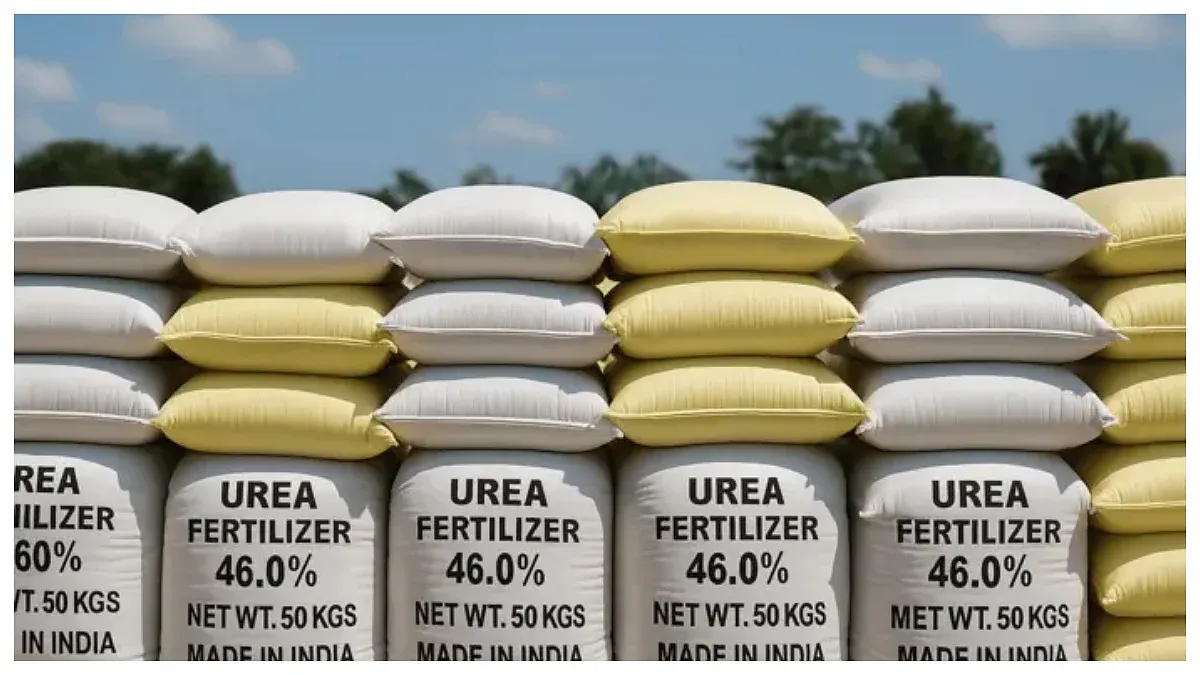
The Union Cabinet approved the National Investment Policy for Urea-2026 (NIPU-2026) to boost domestic urea production by adding 8-9 new gas-based plants with a combined capacity of 10 million tonnes. The policy aims to reduce import dependence, enhance self-reliance, and lower subsidy costs through revised financial frameworks, including separating fixed and variable costs, introducing a 12-16% return on equity band, and mitigating foreign exchange risks. This initiative builds on the 2012 policy and supports India’s growing urea demand amid geopolitical challenges.
First-hand measurement across 11 sources
We measured how 11 outlets covered this story. Coverage leans balanced overall (Left 9%, Centre 82%, Right 9%). Overall sentiment is positive (70/100). Lens Score 32/100 — low public interest.
Outlets analysed (first-hand measurement by TBN's Bias Engine):
- thetribune— balanced framing, positive sentiment
- businessstandard— balanced framing, positive sentiment
- hindustantimes— balanced framing, neutral sentiment
- news18— balanced framing, positive sentiment
- thehindu— balanced framing, positive sentiment
- economictimes— balanced framing, positive sentiment
- indianexpress— balanced framing, neutral sentiment
- thetribune— balanced framing, positive sentiment
AI Analysis
The article group presents a largely government-centric perspective emphasizing policy initiatives to enhance self-reliance and reduce imports. Sources include official statements and industry experts highlighting economic and strategic benefits. Opposition or critical viewpoints are absent, reflecting a consensus on the policy’s objectives rather than debate, with coverage focusing on policy details and expected outcomes.
The overall tone across the articles is positive and forward-looking, highlighting government efforts to strengthen domestic production and reduce subsidy burdens. The coverage underscores benefits such as job creation, investment confidence, and energy security, with limited mention of challenges or dissenting opinions, resulting in an optimistic sentiment toward the policy’s potential impact.