Skip to content
Get the Balanced News app for a better experience!
The Balanced News Logo
Analytics
The Balanced News Logo

Stay Balanced, Stay Informed

Menu
  • Browse News
  • Underreported Stories
  • Curated Feeds
  • Insights
  • Analytics
  • Our Writers
  • About Us
  • Download App
Learn
  • How It Works
  • Bias Detection
  • Lens Score
  • Source Bias Checker
  • Accountability
  • Custom Feeds
Newsroom
  • Writers & Analysts
  • About TBN
  • Editorial Standards
  • Corrections Policy
  • Our Partners
  • Insights
Socials
  • Youtube
  • Instagram
  • X
  • Facebook
News Categories
  • Trending
  • Politics
  • Sports
  • Business
  • Tech
  • Entertainment
  • Health
  • Science
  • Crime
  • Lifestyle
  • National
  • International
  • Good News
  • Crypto

Get Our App

Available for iOS and Android


LensFeedsInsightsAnalyticsTrendingGood NewsSportsPoliticsBusinessCrimeTechEntertainmentHealthNationalInternational

© 2026 The Balanced News. All rights reserved.

About UsEditorial StandardsCorrectionsHelp & SupportPrivacy PolicyTerms & Conditions
Ten Years After Demonetisation: Decline in Fake Currency but Cash Circulation Rises
Categories

Categories

Related Coverage

Select a news story to see related coverage from other media outlets.

Related Coverage

Select a news story to see related coverage from other media outlets.

  1. Home
  2. /
  3. Business

Ten Years After Demonetisation: Decline in Fake Currency but Cash Circulation Rises

Analysed 9 Nov 2026·6 sources analysed·India·Business
Ten Years After Demonetisation: Decline in Fake Currency but Cash Circulation RisesPreviousNext

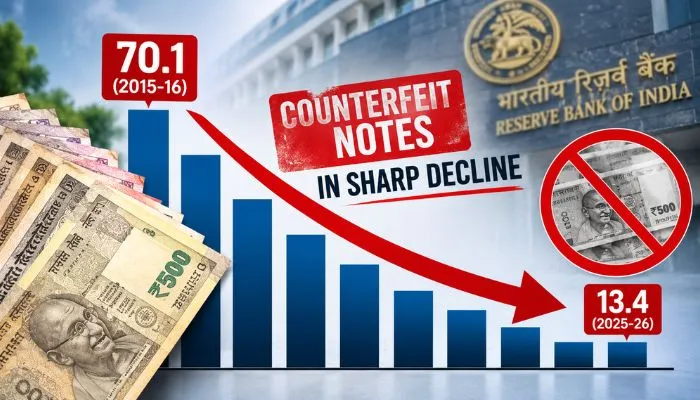
Ten years after demonetisation, India has seen a significant decline in counterfeit currency detection, with RBI data showing a drop from 70.1 fake notes per crore in 2015-16 to 13.4 in 2025-26. Despite a surge in digital payments, cash circulation has more than doubled since 2016, returning to pre-demonetisation levels relative to GDP. While demonetisation aimed to curb black money and counterfeit notes, its long-term impact on reducing cash dependency remains debated, with some experts noting limited gains.

Political Bias
0%52%48%
Sentiment
57%
TBN's observations

First-hand measurement across 4 sources

We measured how 4 outlets covered this story. Coverage leans balanced overall (Left 0%, Centre 52%, Right 48%). Overall sentiment is neutral (57/100). Lens Score 47/100.

Outlets measured: businessstandard, businessstandard, scrollin, thehindu. See how each one headlined and framed the same story in the source comparison below.

AI analysis of 4 sources · Published under editorial oversight by The Balanced News
Analysed 9 Nov 2026· How this analysis is produced· Editorial standards· Corrections

AI Analysis

Political bias across 6 sources
● Left 0%● Center 52%● Right 48%

All 2 outlets scored close to centre on political lean. The real divergence here is in emphasis, not lean — compare the headlines below to see how each outlet chose to frame the same facts.

Sentiment — Neutral (57/100)

Sentiment ranged widely across outlets — from 22/100 to 52/100 — a sign the coverage itself was contested, not just reported.

Coverage timeline

thehindu broke this story on 7 Nov, 11:41 pm. Other outlets followed.

7 Nov, 11:41 pm4 sources · 15 h8 Nov, 02:45 pm
AI analysis by the TBN Bias Engine · beat methodology byMrunal Wange· Business & Economy Editor· editorial standards byOjas Kale
← Previous
DGTR Recommends Two-Year Import Quotas on Soda Ash to Protect Indian Producers
Next →
Tripura Launches Full Electric Train Services Following Assam's Lead
  1. 1
    thehindu7 Nov, 11:41 pm
    10 years since demonetisation: Cash usage unchanged, fake notes on the rise
  2. 2
    scrollin8 Nov, 01:11 am
    Demonetisation: A disaster in 2016, a resounding failure 10 years on
  3. 3
    businessstandard8 Nov, 01:45 pm
    Demonetisation, 10 years after: Evidence still points to limited gains
  4. 4
    businessstandard8 Nov, 02:45 pm
    Ten years after demonetisation, puzzles persist between cash and clicks

Accountability flags

TBN's analysis identified the following accountability dimensions in this story.

  • abuse of power

    This story involves alleged misuse of official authority or institutional position to achieve personal or political ends.

  • systemic failure

    This story points to a failure in institutional processes — regulation, safety, oversight, or service delivery breaking down at scale.

Who's involved

Institutions and figures named across source coverage.

Government
Government of IndiaReserve Bank of IndiaPrime Minister's Office
Political
Bharatiya Janata Party

Story context

Category
Business
Location
India
Sources analysed
6
Last analysed
9 Nov 2026
Key entities
Black marketIndiaCurrencyIndian rupee2016 Indian banknote demonetisationCounterfeit moneyGross domestic productCounterfeitNarendra ModiLakhCroreRun batted in